
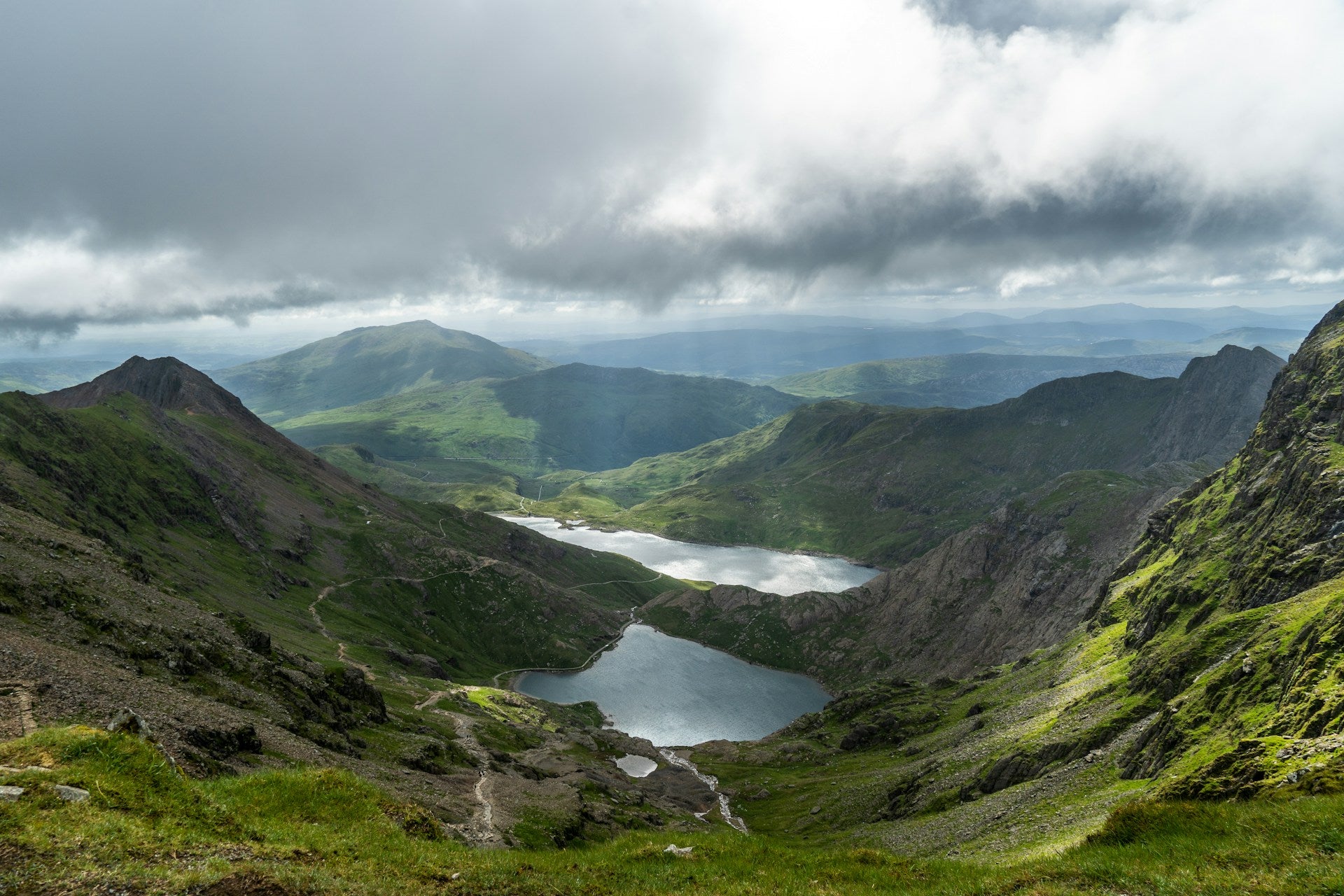
-
North Wales
Round Anglesey Coastal Path
Coastal circuit around Wales' largest island.
215km / 4,000m
Get your personalised itinerary- 200km | 124 miles
- 2,120m | 6,955ft (cumulative)
- Hilly
-
Pembrokeshire Coast Path Stage 3: St Davids to St Dogmaels
Rugged cliffs, wildlife and solitude
107km / 2,024m
Get your personalised itinerary- 107km | 66 miles
- 2,024m | 2,077m
- Hilly
-
Pembrokeshire Coast Path Stage 2: Pembroke to St David's
Sea, history, and wild Welsh beauty
103km / 1,655m
Get your personalised itinerary- 103km | 63 miles
- 1,655m | 1,591m
- Hilly
-
Pembrokeshire Coast Path Stage 1: Amroth to Pembroke
Sea, history, and wild Welsh beauty
83km / 1,147m
Get your personalised itinerary- 83km | 51 miles
- 1,147m | 1,147m
- Rolling


Why Choose Wales for your Adventure?
Some of our favourite places...
-
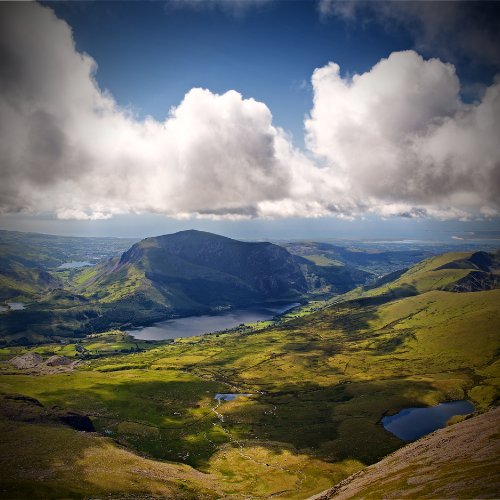
Snowdonia
Wales's highest mountain range offers challenging peaks and gentler valley walks within a dramatic national park.
Key features:
- Mount Snowdon and its six walking routes
- Slate heritage trails
- Precipice Walk and Mawddach Trail
-
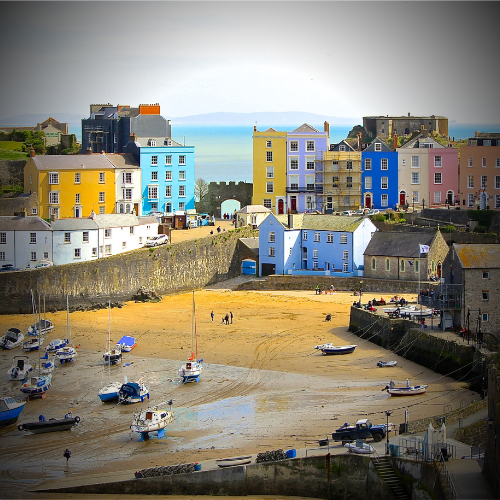
Pembrokeshire Coast
Britain's only coastal national park features spectacular cliff-top walking and beach access.
Key features:
- 186-mile coastal national trail
- Numerous circular day walks
- Island wildlife sanctuaries
-
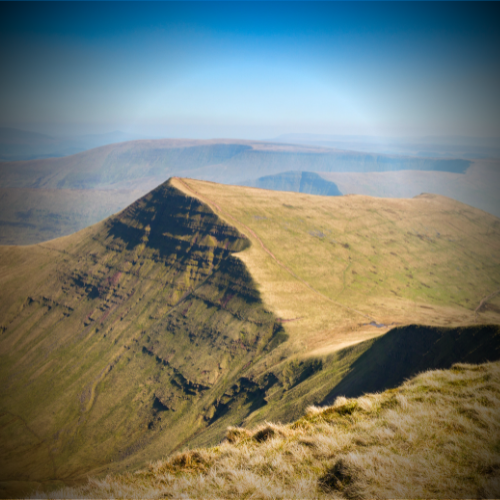
Brecon Beacons
Rolling mountains and open moorland provide excellent walking across varied terrain.
Key features:
- Four distinct mountain ranges
- Waterfall walks
- Dark Sky Reserve status
-
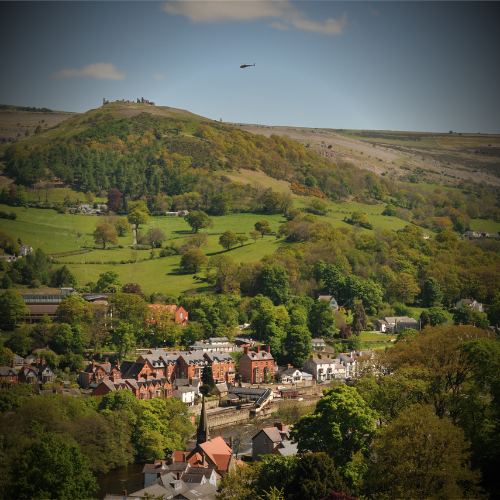
Welsh Borders
Historic borderlands offer gentler walking through woodland and river valleys.
Key features:
- Offa's Dyke Path
- Wye Valley walks
- Historic castle routes
When should I go?
-
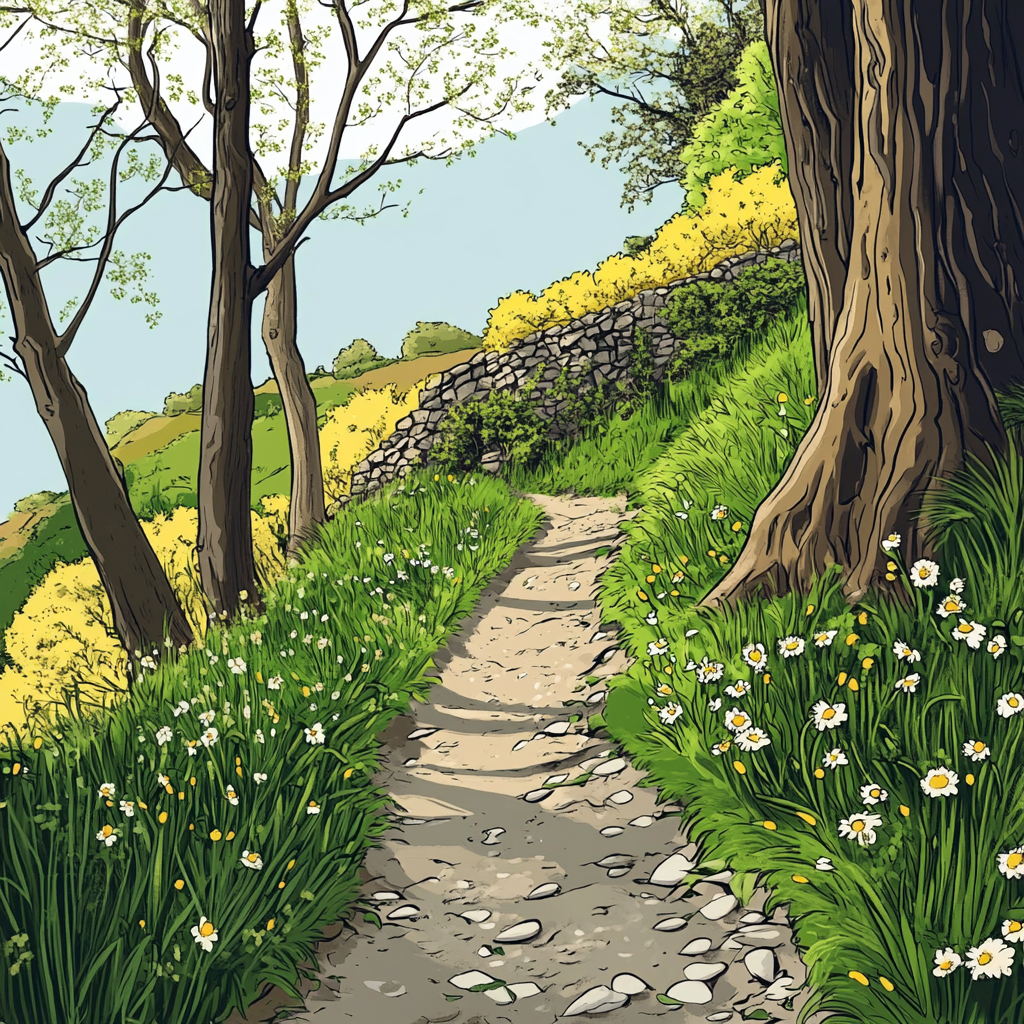
March to May
- Mild temperatures, average 8-14°C
- Spring flowers in woodlands
- Lambing season
- Variable weather patterns
- Increasing daylight hours
- Less crowded than summer
-
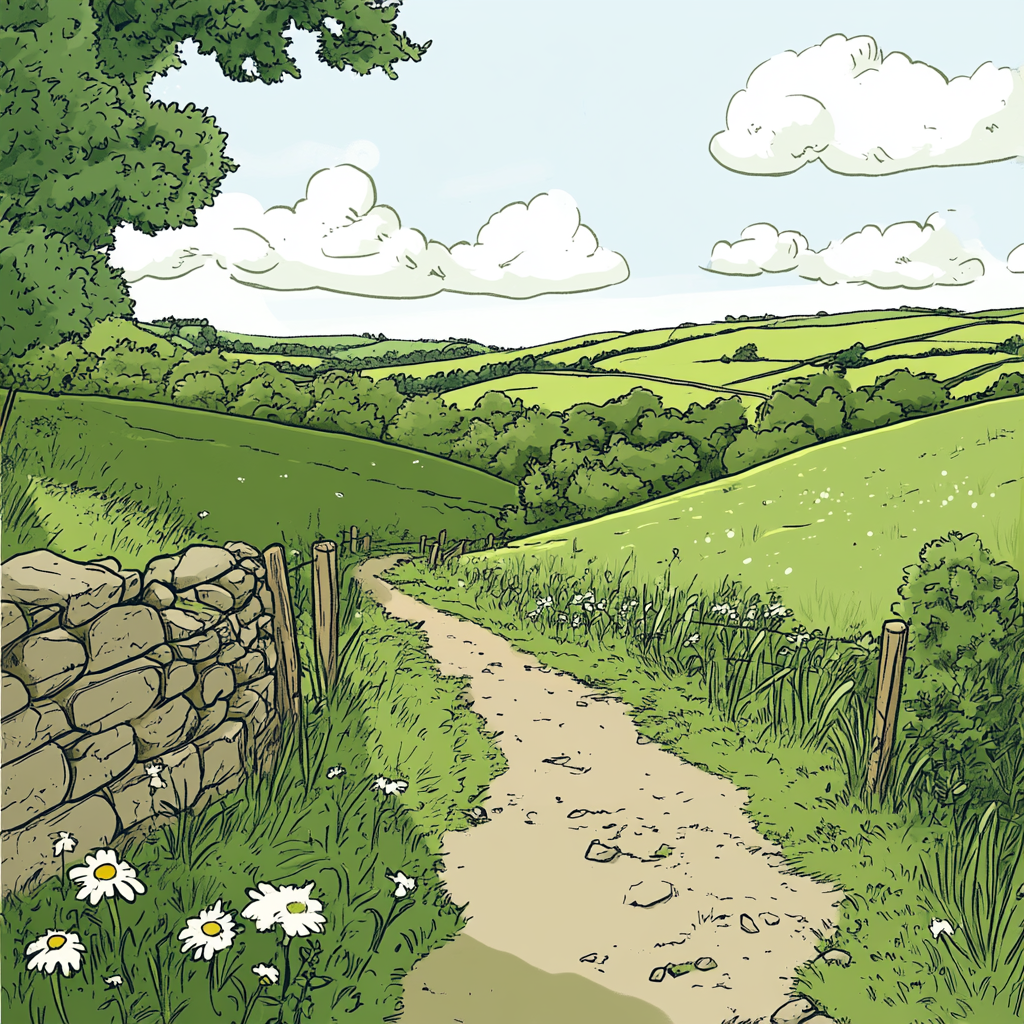
June to August
- Longest daylight hours
- Warmest temperatures, average 15-20°C
- All facilities open
- Busiest season
- Most stable weather
- Best for mountain walking
-
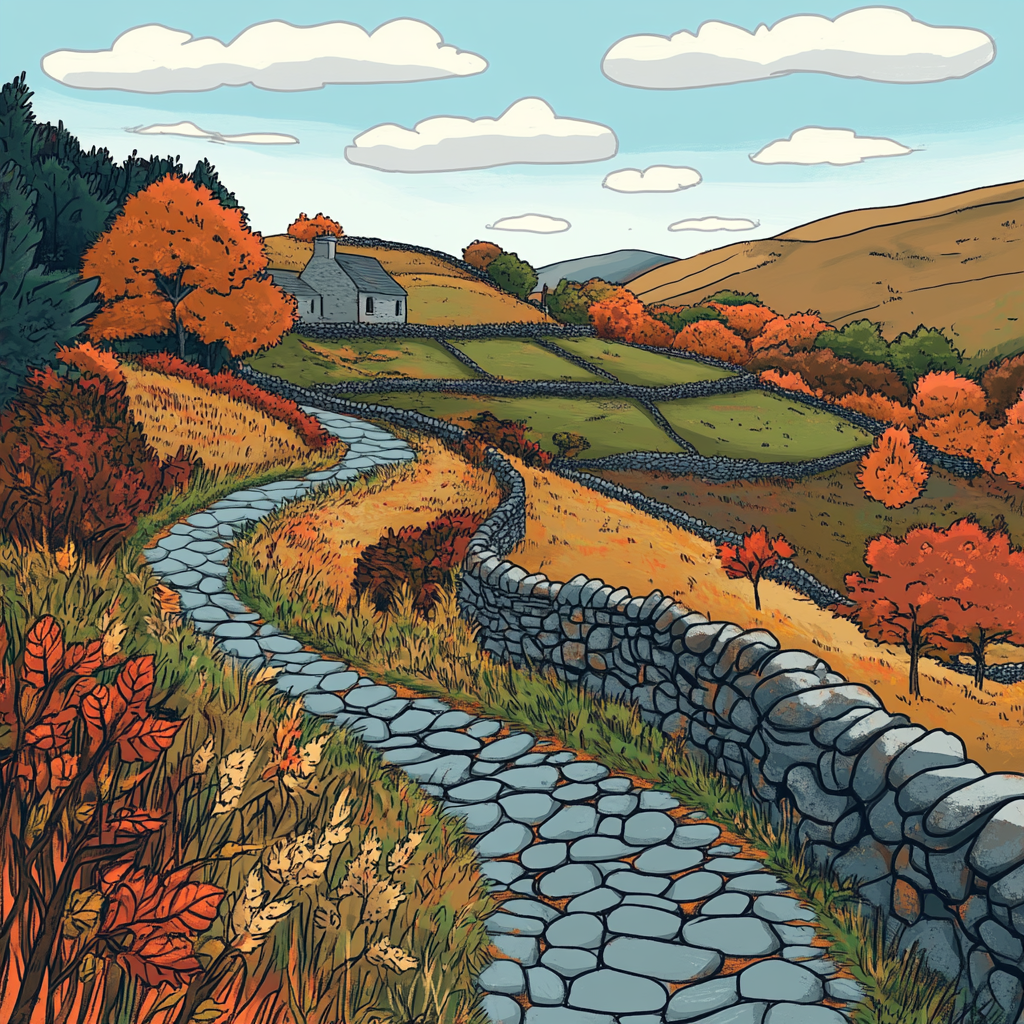
September to November
- Autumn colors
- Moderate temperatures, 10-15°C
- Quieter trails
- More rainfall likely
- Clear visibility on good days
- Shorter daylight hours
-
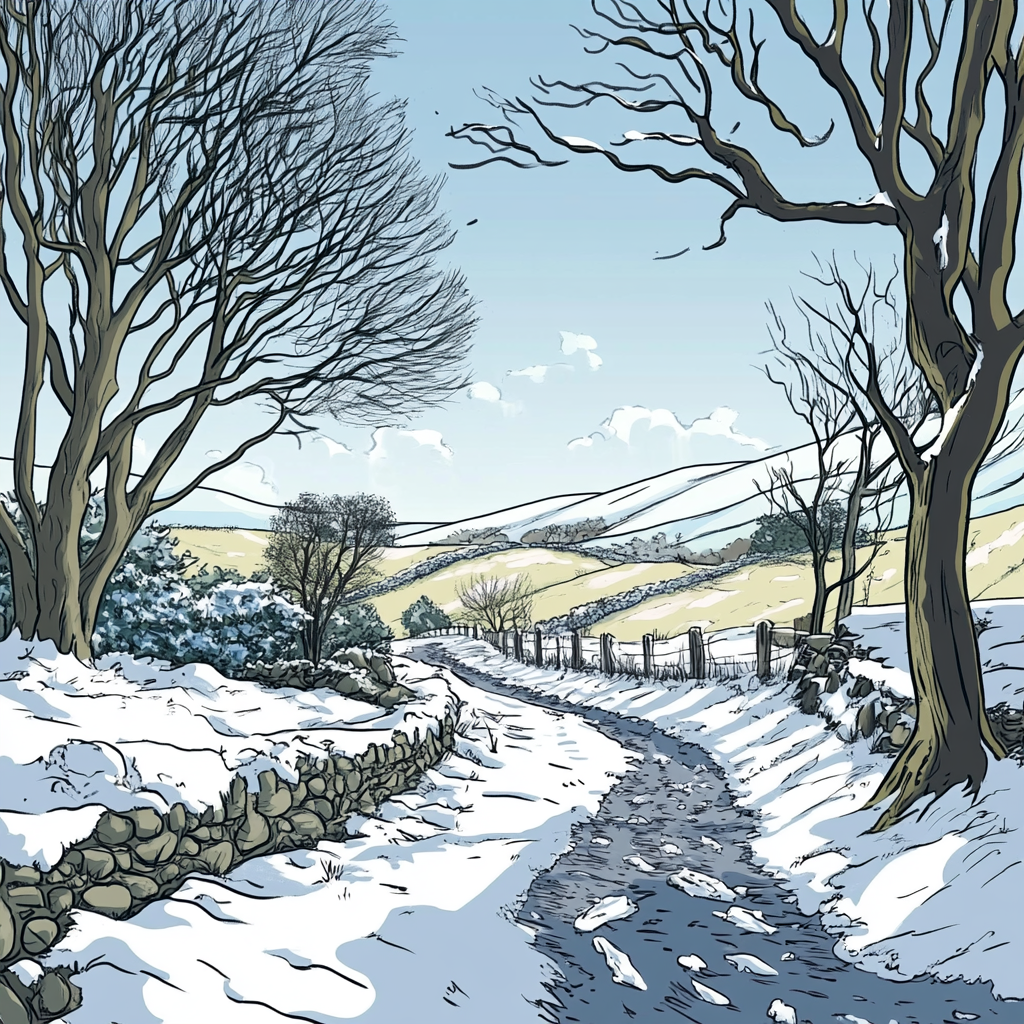
December to February
- Limited daylight hours
- Cold temperatures, average 4-8°C
- Snow possible on high ground
- Quiet trails
- Winter wildlife viewing
- Mountain experience needed for high routes
Read our Guides
View all-
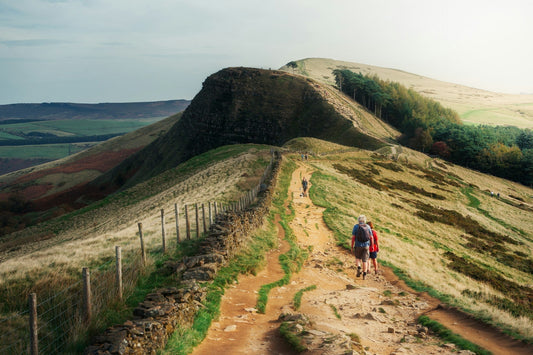
Guide to Pacing
Find out what sort of walker you are and how many days it will take to complete some of the best walking trails in Britain.
Guide to Pacing
Find out what sort of walker you are and how many days it will take to complete some of the best walking trails in Britain.
-
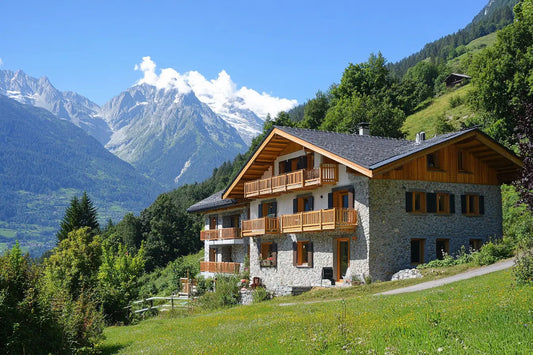
Accommodation Booking Guide
Here is essential guidance on booking accommodation for your self-guided walkingadventures, following the itinerary provided by Big Trail Adventures. Please adhere closely to the recommendations below to ensure a smooth...
Accommodation Booking Guide
Here is essential guidance on booking accommodation for your self-guided walkingadventures, following the itinerary provided by Big Trail Adventures. Please adhere closely to the recommendations below to ensure a smooth...
-

Essential Packing Guide for Your Mountain Adven...
Proper packing is fundamental to both your safety and enjoyment on the trail. Our approach combines years of mountain experience with practical wisdom to help you prepare for your journey....
Essential Packing Guide for Your Mountain Adven...
Proper packing is fundamental to both your safety and enjoyment on the trail. Our approach combines years of mountain experience with practical wisdom to help you prepare for your journey....
