Great Glen Way

Fort William (at the Old Fort by Loch Linnhe) → Inverness Castle

Distance 125km | 78 miles
Ascent 1,600m | 5,249ft
Duration 2–6 days
Best time May to September
Difficulty
  • Stunning Scottish Lochs and Landscapes
  • Accessible Yet Remote Highland Experience
  • Rich Loch Ness Historical Mystery
Build your trip

Why people love the Great Glen Way

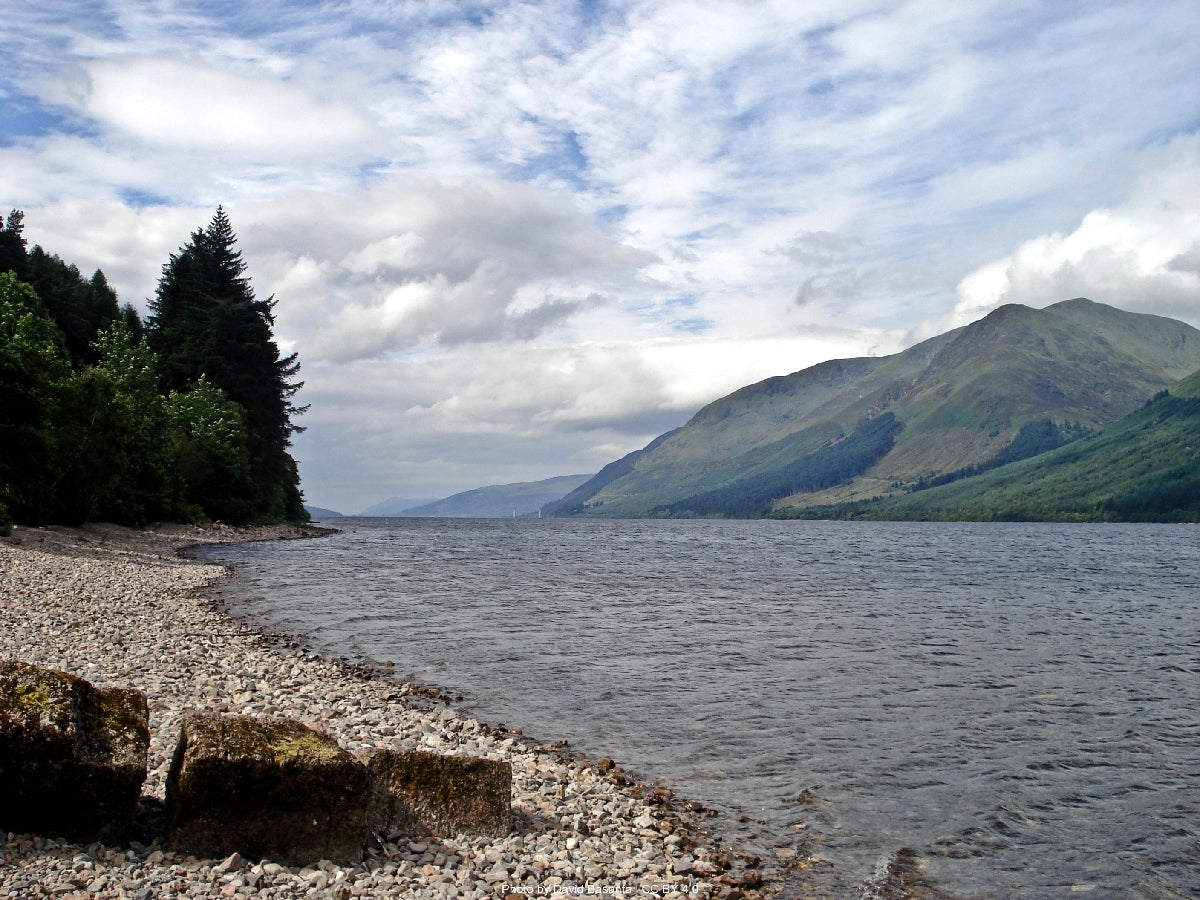
The Great Glen Way spans 117 kilometers through the heart of the Scottish Highlands, offering a captivating journey along Scotland's most famous geological fault line. This renowned route traverses the entire length of the Great Glen from west to east, connecting Fort William to Inverness, making it one of Scotland's most accessible yet rewarding long-distance hiking experiences. Following natural waterways including the legendary Loch Ness, the Caledonian Canal, and three other magnificent lochs, the trail showcases Scotland's breathtaking Highland scenery while maintaining a relatively moderate difficulty level.

The path winds through ancient forests, open moorlands, and canal towpaths, providing ever-changing vistas of Scotland's iconic mountains, including glimpses of Ben Nevis, Britain's highest peak. Unlike some more challenging Highland routes, the Great Glen Way follows established paths without technical sections requiring advanced hill skills. While the trail includes some significant ascents, particularly in its eastern sections where higher routes offer spectacular vantage points, it remains accessible to reasonably fit hikers.

What makes the Great Glen Way truly special is how it interweaves natural splendor with rich Scottish history and culture, from Jacobite battlefields to engineering marvels like Neptune's Staircase and Thomas Telford's remarkable Caledonian Canal. The trail's accessibility, combined with its rich tapestry of landscapes, history, and folklore (including the mysterious Loch Ness), creates an unforgettable Highland trekking experience.

Build Your Great Glen Way Adventure

Choose your pace, package and group size — we'll do the rest.

1

Choose Your Pace

2

Adjust Your Pace

3

Choose Your Package

Itinerary Only

£119

One-time payment

Perfect for independent travelers

  • Custom door-to-door route
  • Full app access with door-to-door route, on trail support and weather updates
  • Trail book with your day-by-day itinerary detail plus tips for a brilliant adventure
  • Accommodation list to book where you need it

Best for: DIY hikers who want to book their own accommodation

Most Popular

Standard Tour

£786 per person

£1,572 trip total

Premium experience with extra comfort

  • Personlised Adventure Plan and route to follow in our app
  • Hotels & B&Bs with breakfast included
  • Baggage transfer included
  • Full app access with door-to-door route, on trail support and weather updates
  • Trail book with your day-by-day itinerary detail plus tips for a brilliant adventure

Best for: Those who want maximum comfort and convenience

4

How Many Are Going?

For groups of more than 4, email us to discuss options.

Your Adventure

Duration 7 days / 6 nights
Daily Distance ~14 miles/day
Party Size 2 people
Package Basic Tour

What's Included:

  • Hostels & bunkhouses booked
  • Breakfast included
  • On-trail support
Per person: £624
Trip total: £1,248
Deposit today: £100

£352 per person £703 trip total
4 days~16 mi/day

Your Adventure

Duration 7 days / 6 nights
Daily Distance ~14 miles/day
Party Size 2 people
Package Basic Tour

What's Included:

  • Hostels & bunkhouses booked
  • Breakfast included
  • On-trail support
Per person: £624
Trip total: £1,248
Deposit today: £100

Get Expert Advice

Your Trip Configuration

Trail: St Cuthbert's Way
Duration: 7 days / 6 nights
Party Size: 2 people
Package: Basic Tour
Est. Total: £1,248

Your Details

How Should We Contact You?

Questions or Special Requests

0 / 500

We'll get back to you within 2 hours during business hours

Loading map...

Sample Itinerary

Here's what's on the trail. We'll split the stages to each day just right for your pace.

Stage 1: Fort William to Gairlochy

17.5km 60m 40m

The journey begins in Fort William, in the shadow of Ben Nevis, following a pleasant, largely flat path alongside the Caledonian Canal. This first stage offers a gentle introduction to the Great Glen, with minimal elevation change and well-maintained towpaths. The highlight is Neptune's Staircase, an impressive series of eight locks raising the canal 19 meters over a quarter-mile stretch – a remarkable feat of 19th-century engineering designed by Thomas Telford.

The route continues northward along the canal, offering excellent views of Ben Nevis on clear days to the east, while the waters of Loch Linnhe stretch to the west. Wildlife spotting opportunities abound, with herons, oystercatchers, and occasionally otters visible along the waterway. The path transitions through peaceful woodland sections as you approach Gairlochy.

Water is readily available at Fort William and canal-side facilities, but becomes more limited after leaving the town. The Commando Memorial near Spean Bridge offers historical context to the area's WWII significance as a training ground for elite soldiers. Gairlochy, while small, marks your first encounter with Loch Lochy and provides basic accommodation options.

Stage 2: Gairlochy to South Laggan

19km 200m 185m

From Gairlochy, the trail hugs the northeastern shore of Loch Lochy, Scotland's third-deepest loch. Initially following forestry tracks through the vibrant Clunes Forest, this stage alternates between sheltered woodland paths and open stretches offering magnificent views across the loch toward the mountains beyond. Gentle undulations characterize this section, with relatively modest overall elevation change.

Approaching the halfway point at Laggan Locks, the route passes the enigmatic "Witches Stone," linked to local folklore about a 17th-century witch trial. The trail transitions to canal towpath again at Laggan, where the Caledonian Canal connects Loch Lochy to Loch Oich. This engineering marvel showcases the ingenuity required to create a navigable waterway across Scotland.

The path continues to South Laggan along the western shore of Loch Oich, Scotland's highest loch at 32 meters above sea level. The ruins of Invergarry Castle offer a brief historical diversion, having played a role in the Jacobite risings. Water is available at Laggan Locks, where the Eagle Barge Inn (a converted Dutch barge) offers refreshments. South Laggan provides limited but adequate accommodation options and marks the approximate midpoint of Loch Oich.

South Laggan to Fort Augustus

17km 110m 120m
The route from South Laggan continues along the western shore of Loch Oich through mature woodland rich with native flora. The trail follows the line of the former Invergarry and Fort Augustus Railway for several miles, providing excellent walking conditions on this converted railway path. This relatively flat section allows hikers to appreciate the rich biodiversity of the Great Glen, with opportunities to spot red squirrels, pine martens, and numerous bird species.

After leaving Loch Oich behind, the path rejoins the Caledonian Canal at Aberchalder Swing Bridge, a historical crossing point. The canal section features well-maintained towpaths that lead directly to Fort Augustus, offering glimpses of boats navigating the waterway. Approaching Fort Augustus, you'll encounter a spectacular flight of five locks lowering the canal to the level of Loch Ness.

Fort Augustus itself holds significant historical importance as a military garrison established after the Jacobite rising of 1715. The Benedictine Abbey (now converted to luxury apartments) dominates the town landscape. As your first encounter with Loch Ness, Fort Augustus offers excellent facilities including accommodations across all budgets, restaurants, shops, and a visitor center detailing the engineering achievements of the Caledonian Canal. Water and resupply options are plentiful, making this an ideal place to restock before the more challenging eastern sections.

Stage 4: Fort Augustus to Invermoriston

14.5km 505m 490m

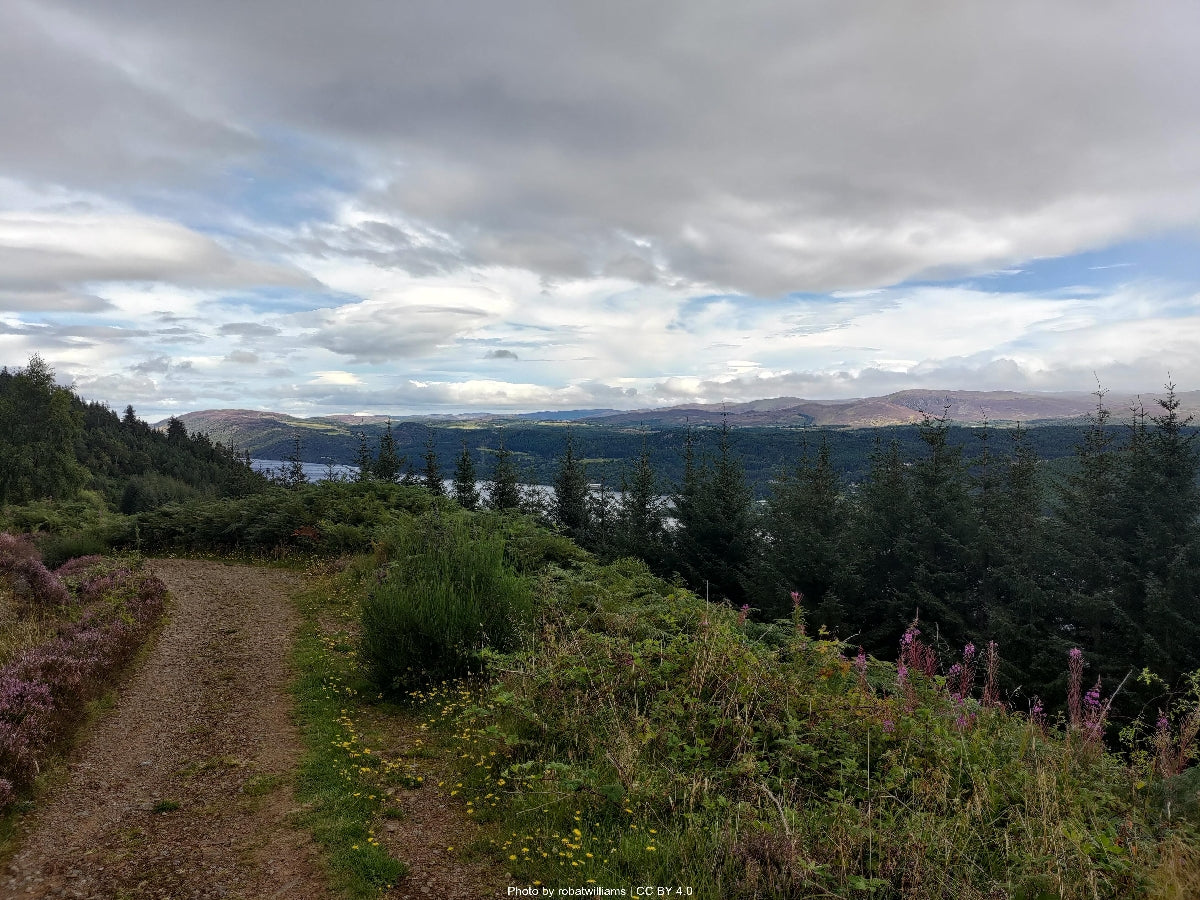
Leaving Fort Augustus, the trail character changes significantly as it climbs away from Loch Ness through dense coniferous plantations. The original low route and newer high route (added in 2014) offer two distinct experiences – the lower path provides more sheltered walking through woodland with occasional loch views, while the higher alternative delivers spectacular panoramas across Loch Ness and the mountains beyond, though with considerably more climbing.

The high route ascends to over 400 meters, following forestry tracks and offering viewpoints where, on clear days, hikers can see the entire length of Loch Ness. Both routes feature mixed terrain of forest paths, moorland sections, and occasional rocky areas requiring careful footing, particularly after wet weather.

The paths converge for the descent into Invermoriston, passing the spectacular Falls of Moriston where the River Moriston cascades through a dramatic gorge before entering Loch Ness. The Thomas Telford bridge (built 1813) stands alongside the older General Wade military bridge from 1749, both spanning the river gorge and representing different periods in Highland development. Invermoriston offers limited but quality accommodation options, a village store for basic supplies, and a historic church. Water sources are available throughout this section, but filtering is recommended for streams away from established facilities.

Stage 5: Invermoriston to Drumnadrochit

22km 740m 710m

This challenging section represents the most demanding day of the Great Glen Way, with significant ascents and descents as the trail climbs high above Loch Ness. Again offering high and low route alternatives, most hikers choose the higher path for its unparalleled vistas. The trail climbs steeply from Invermoriston through ancient woodlands rich with native Scots pine, reaching heights of over 400 meters at several points.

The high route traverses open moorland and forests, offering breathtaking panoramic views across Loch Ness toward the distant mountains of the Northwest Highlands. On clear days, the visibility can extend for dozens of miles, creating a profound sense of Highland wilderness. Several viewpoints provide ideal rest stops, including Meall Doire Bhrath which offers a 360-degree vista.

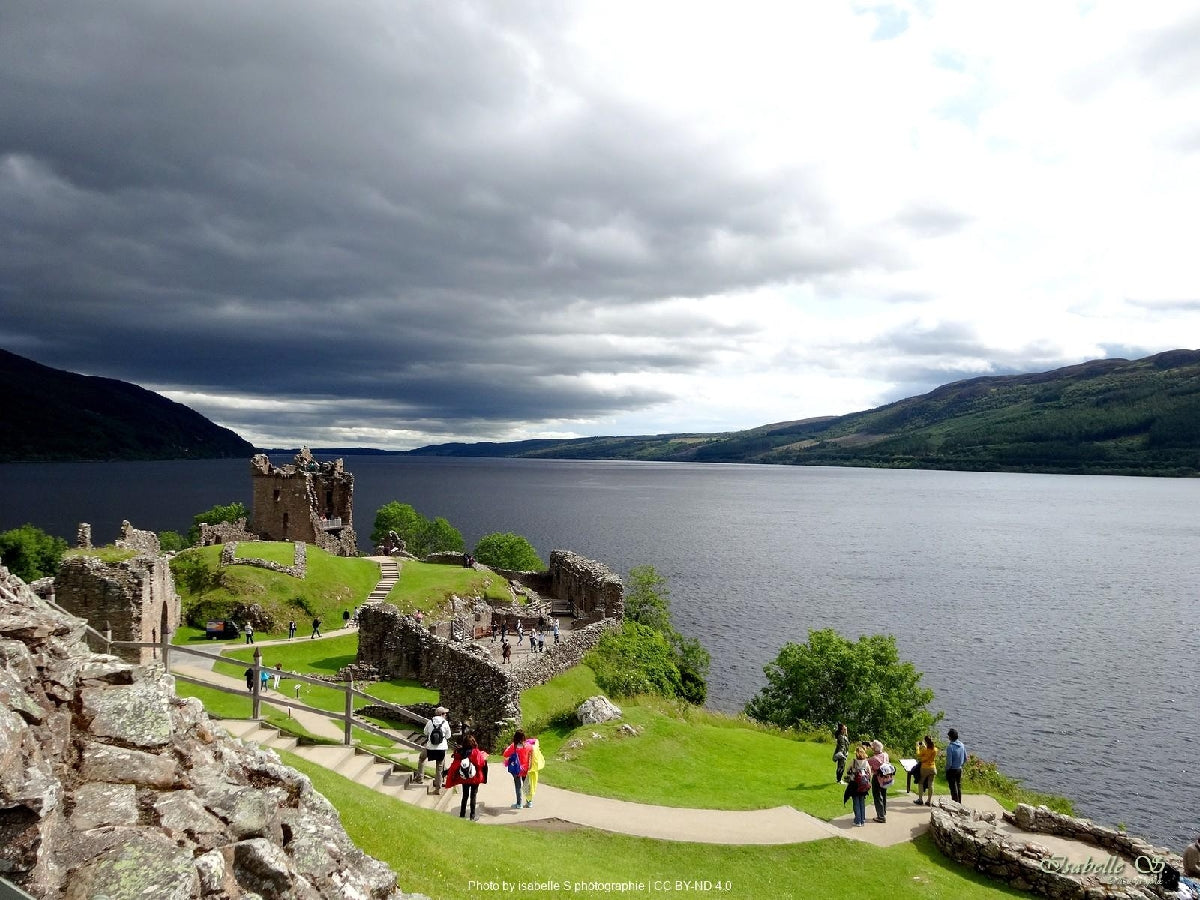
The final descent into Drumnadrochit passes through Urquhart Bay Woodland, an atmospheric ancient wet woodland designated as a Site of Special Scientific Interest. The approach reveals glimpses of the ruined Urquhart Castle standing dramatically on the shores of Loch Ness – a site with over 1,000 years of turbulent history and connections to both clan warfare and Jacobite conflicts.

Drumnadrochit itself serves as the center of Loch Ness tourism, offering comprehensive facilities including multiple accommodation options, restaurants, and two Loch Ness-themed visitor centers exploring both the natural history and the monster mythology. Water is readily available throughout this section at established crossing points, though the exposed nature of the high route means carrying adequate supplies is essential.

Stage 6: Drumnadrochit to Inverness

27km 480m 490m

The final stage of the Great Glen Way presents a fitting conclusion to this Highland journey, initially climbing steeply from Drumnadrochit through working farmland before entering the extensive Abriachan Forest. This community-owned woodland offers a network of well-maintained paths through diverse forest habitats, with the route reaching its highest point (380m) near the Abriachan Eco-Campsite and Forest School – a pioneering environmental education center where hikers can take refreshments.

The trail continues through varied terrain featuring mixed woodland, open heathland rich with heather and gorse, and occasional stretches of pine plantation. As you progress eastward, the landscape gradually transitions from Highland to Lowland characteristics, with more cultivated fields appearing alongside traditional crofting areas. Views extend across the Beauly Firth and, on clear days, to the distant mountains of Wester Ross.

The final approach to Inverness follows the forested slopes of the River Ness, descending gradually toward Scotland's northernmost city. The route offers tantalizing glimpses of Inverness Castle and Cathedral before finally crossing the River Ness to reach the official endpoint at Inverness Castle, standing proudly above the city. This medieval fortress (largely rebuilt in the 19th century) provides a dramatic conclusion to your journey, with its esplanade offering views back along the Great Glen you've traversed. Inverness offers comprehensive facilities including all accommodation types, excellent dining options, and transport connections to the rest of Scotland. Water sources are available throughout this section at established points.

Essential Travel Information

The Great Glen Way is best hiked between May and September when daylight hours are longest and weather conditions most favorable. May and June often offer the driest conditions and fewer midges – the notorious Highland insects that can make summer hiking uncomfortable. July and August bring warmer temperatures but also peak tourist season and higher accommodation prices.

Spring (late April-May) showcases beautiful wildflowers and migrating birds, while autumn (September-early October) delivers stunning foliage colors and fewer crowds, though with increasing chances of rain and wind. Winter hiking (November-March) is possible but daylight hours are extremely limited (as little as 7 hours in December), and facilities along the route operate on reduced schedules or close entirely.

Weather in the Scottish Highlands is notoriously changeable in all seasons. Even summer hikers should prepare for rain, wind, and temperatures that can range from 5°C to 25°C within a single day. Snow is possible on higher sections as late as May and as early as October. The route's proximity to water bodies creates frequent mist and fog conditions, particularly in morning hours.

Seasonal hazards include midges (small biting insects) that peak between late June and early September, particularly in still, damp conditions near water. Ticks are present throughout the warmer months, requiring daily checks to prevent Lyme disease. Lightning storms can develop quickly over the higher sections during summer months.

The Great Glen Way offers diverse accommodation options to suit different preferences and budgets:

Hotels and B&Bs: Available in all major stops (Fort William, Fort Augustus, Drumnadrochit, and Inverness) plus smaller settlements. Quality ranges from budget (£50-70/night) to luxury (£150+/night). Mid-range B&Bs (£70-100/night) provide the best value and typically include substantial Scottish breakfasts.

Hostels: Youth Hostels operate in Fort William, Invergarry (short detour), and Inverness, offering dormitory beds (£20-30/night) and private rooms (£50-70/night). Independent hostels can be found in several villages along the route.

Bunkhouses: These budget options (£20-25/night) are available in South Laggan, Fort Augustus, and Invermoriston, offering simple dormitory accommodation popular with hikers.

Camping: Official campsites operate in Fort William, Gairlochy, South Laggan, Fort Augustus, Invermoriston, and Inverness (£8-15/night). Wild camping is legally permitted along most of the route under Scotland's right to roam legislation, provided campers follow the Scottish Outdoor Access Code (staying away from buildings, leaving no trace).

Booking requirements vary seasonally. During peak season (June-August), reservations for all accommodation types should be made 2-3 months in advance, particularly for weekend stays. Shoulder season (May, September) requires booking 3-4 weeks ahead, while off-season often allows for more flexibility with same-week bookings possible.

The most popular stopover points align with the stage divisions: Gairlochy/Spean Bridge, South Laggan, Fort Augustus, Invermoriston, and Drumnadrochit. Fort Augustus represents the most significant accommodation hub between the endpoints.

Airports: Inverness Airport (30 minutes from Inverness city center) offers connections to major UK cities. International travelers typically connect through Edinburgh, Glasgow, or London airports before traveling north.

Train Service: The West Highland Railway serves Fort William with connections to Glasgow (3.5 hours). Inverness connects to Edinburgh, Glasgow, and Aberdeen via ScotRail, and to London via the Caledonian Sleeper overnight train.

Bus Service: Scottish Citylink coaches connect Fort William and Inverness to major Scottish cities. Local Stagecoach buses serve communities along the Great Glen Way, though with limited frequencies.

Trailhead Access: Fort William town center is a 10-minute walk from the official start point at the Old Fort. In Inverness, the trail terminus at Inverness Castle is centrally located in the city.

Evacuation and Bail-Out Points: The Great Glen Way's proximity to the Caledonian Canal and A82 road provides multiple exit points. Major bail-out locations include:

  • Gairlochy/Spean Bridge (bus services to Fort William)
  • Laggan (limited bus service, may require taxi)
  • Fort Augustus (regular bus services to Inverness and Fort William)
  • Invermoriston (limited bus services to Inverness)
  • Drumnadrochit (regular bus services to Inverness)

In emergencies, most sections of the route have mobile phone coverage, though signal can be patchy in forested areas and mountain shadows. The relatively populated nature of the Great Glen means help is generally available within reasonable distances.

A six-day Great Glen Way trek (plus arrival/departure days) requires the following budget considerations:

Accommodation Costs:

  • Budget option (camping/hostels): £15-30/night (£90-180 total)
  • Mid-range option (B&Bs/guesthouses): £70-100/night (£420-600 total)
  • Premium option (hotels): £100-200/night (£600-1,200 total)

Transportation Expenses:

  • Return train journey from Edinburgh/Glasgow: £50-80
  • Bus from Inverness to Fort William: £15-25
  • Airport transfers (if applicable): £15-30
  • Contingency taxi services: £50-100 (reserve for emergencies)

Food and Supplies:

  • Breakfast (included at most B&Bs): £0-10/day
  • Packed lunch and snacks: £8-15/day
  • Evening meals: £15-35/day
  • Replenishing hiking supplies: £30-50 total
  • Total food budget: £180-360 (6 days)

Additional Fees:

  • Baggage transfer services (optional): £8-12 per bag per stage (£40-60 total)
  • Attraction entrance fees (e.g., Urquhart Castle, Loch Ness Centre): £30-50 total
  • Guidebooks/maps: £15-25

Total estimated budget (excluding equipment and travel to Scotland):

  • Budget approach: £370-615
  • Mid-range approach: £730-1,115
  • Premium approach: £980-1,765

The Great Glen Way sees approximately 30,000 hikers annually, with significantly varying density throughout the year:

Peak Season (July-August): The trail becomes quite busy, particularly near Fort Augustus and around Loch Ness. You'll typically encounter 20-30 other hikers daily, with popular accommodation often fully booked. The busiest sections are Fort Augustus to Drumnadrochit due to day-hikers combining with long-distance trekkers.

Shoulder Seasons (May-June, September): Offer an excellent balance of reasonable weather and moderate trail usage. Daily encounters drop to 10-15 hikers, primarily at viewpoints and major attractions. Accommodations usually have availability with 1-2 weeks' notice.

Off-Season (October-April): Provides near-solitude on most sections, with perhaps 1-5 other hikers encountered daily. However, weather challenges increase significantly, and many facilities operate reduced hours or close entirely.

For those seeking quieter alternatives, consider:

  • Walking west to east (Inverness to Fort William) against the typical flow
  • Hiking mid-week rather than weekends
  • Starting early (before 8am) to avoid day-hiker traffic

Cultural considerations include respecting the working landscapes you'll traverse – the Great Glen remains home to active farming, forestry, and fishing communities. Many locals appreciate hikers who show interest in regional history and traditions. Basic knowledge of Highland clan history enhances the experience, particularly around historically significant locations like Invergarry and Urquhart Castle.

The typical hiker demographic skews toward 40+ age groups, with significant numbers of European hikers (particularly German, Dutch, and Scandinavian) alongside British walkers. Solo hikers are common and generally find informal companionship at overnight stops. The moderate difficulty level attracts many first-time long-distance walkers, creating a supportive trail community.

For true solitude, the high route alternatives between Fort Augustus and Drumnadrochit offer more isolated walking even during busier periods, with spectacular viewpoints where you can often find yourself alone with the panoramic Highland vistas.

More specific requirements?