Wee West Highland Way
Crianlarich → Fort William
- Dramatic Highland scenery evolving daily
- Rich Scottish history alongside ancient paths
- Accessible yet wild adventure experience
Prefer to call? Speak to our experts in the UK: 0131 560 2740
8am to 6pm, every day
Why people love the Wee West Highland Way
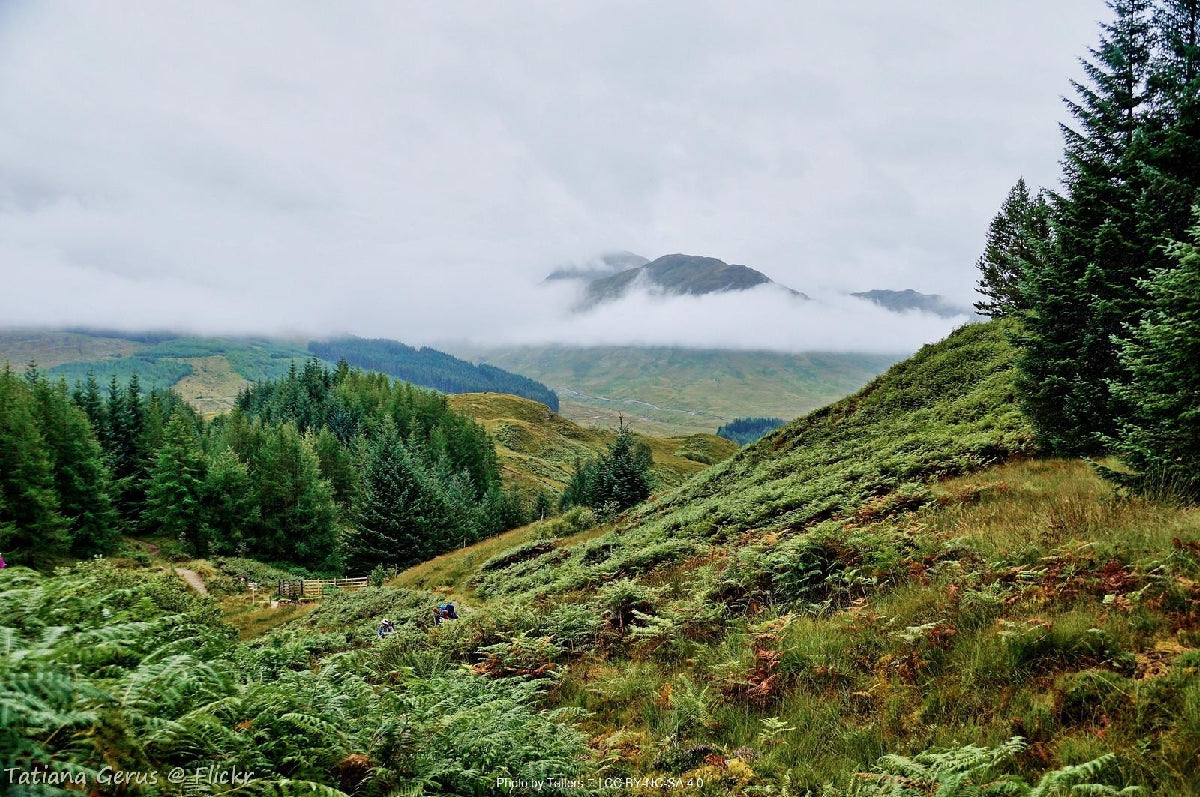
The Wee West Highland Way experience offers the highlights of this iconic route in a bite-sized package for time-crunched adventurers. Starting at the Crianlarich and finishing in Fort William, it follows the most spectacular section of the trail, making a journey through Scotland's living history.
The West Highland Way’s brilliant waymarking, accessible resupply points, and well-established accommodation network make it ideal for first-time long-distance hikers, while the raw beauty of Rannoch Moor and Glencoe Valley provides seasoned trekkers with genuinely wild Highland experiences that have inspired poems, songs, and legends for centuries.
Build Your Wee West Highland Way Adventure
Choose your pace, package and group size — we'll do the rest.
Your Adventure
What's Included:
- Hostels & bunkhouses booked
- Breakfast included
- On-trail support
Your Adventure
What's Included:
- Hostels & bunkhouses booked
- Breakfast included
- On-trail support
Sample Itinerary
Here's what's on the trail. We'll split the stages to each day just right for your pace.
Stage 1: Crianlarich to Bridge of Orchy
From Crianlarich, the path climbs through dense Sitka spruce forest before opening to views of Ben More, Stob Binnein, and the distinctive Beinn Dorain. It crosses the River Fillan near the ruins of St. Fillan’s Priory and follows the valley beside the West Highland Railway, passing under it twice. A short detour leads to Auchtertyre Farm for refreshments. Approaching Tyndrum, the route passes the Battle of Dalrigh site (1306), with cafés and shops nearby. Leaving Tyndrum, the trail follows an old military road through Glen Fillan, with easy terrain and ever-closer views of Beinn Dorain. It passes St. Fillan’s holy pool and the white bridge at Auch Estate, narrowing slightly along Beinn Odhar’s slopes. Occasional boggy patches and mountain streams mark the way before the path descends through Scots pine to Bridge of Orchy, where the historic 1751 bridge and hotel provide food, water, and supplies.
Stage 2: Bridge of Orchy to Kingshouse
From Bridge of Orchy, the trail climbs through pine forest to open moorland, crossing Mam Carraigh with superb views back to Beinn Dorain and ahead to Loch Tulla and the Black Mount. A stone marker at the summit honors historic drovers who once used this route. The path then descends through heather to the remote Inveroran Hotel, a welcoming Victorian drovers’ inn offering food, drinks, and water refills beside the old military road.
Beyond Inveroran, the route follows the old drovers’ road across Rannoch Moor — a vast, wild expanse of peat bog, lochans, and heather. The well-maintained gravel track passes Ba Bridge over the River Ba, a good rest point amid sweeping wilderness views. Buachaille Etive Mor soon dominates the horizon as the trail descends toward the Kingshouse Hotel (1750s), offering full facilities and one of Scotland’s most iconic mountain vistas. Citylink buses and taxis connect Kingshouse to Glencoe village.
Stage 3: Kingshouse to Kinlochleven
From Kingshouse, the trail follows the old military road beneath Buachaille Etive Mor, offering stunning views of this iconic peak. After crossing the River Etive, it climbs the Devil’s Staircase—a zigzagging ascent to 550m, the highest point on the West Highland Way. Named by 18th-century soldiers who struggled to build the route, the pass rewards walkers with sweeping views of the Mamores, Ben Nevis, and the Glencoe range. The descent is long and initially steep over loose gravel, easing onto a smoother track toward Kinlochleven. Near the village, the path passes large pipelines feeding the hydroelectric plant that powers the old aluminum smelter. The final steep section leads into Kinlochleven beside the Ice Factor climbing center, where refreshments are available. In the village, walkers will find pubs, cafés, and accommodation, including the Tailrace Inn and MacDonald Hotel, plus a Co-op supermarket and water refills at the Tourist Information Center.
Stage 4: Kinlochleven to Fort William
The final stage begins with a steep climb from Kinlochleven through woodland, emerging into the remote Lairig Mor valley. The old military road winds through dramatic scenery, with the ruins of Tigh-na-sleubhaich offering a sheltered rest spot. The route continues beneath the Mamores ridge to the north, with glimpses of the Aonach Eagach to the south, crossing streams and varying terrain from rocky paths to forest tracks. After passing the Iron Age fort at Dun Deardail, the trail enters Nevis Forest and wider forestry tracks, with Ben Nevis (1,345m) dominating the northern skyline. The path gradually descends through the forest to Glen Nevis and Fort William. The West Highland Way officially ends at the “Sore Feet” statue in Gordon Square. Fort William offers water, refreshments, and celebratory meals at the Ben Nevis Hotel and Ben Nevis Inn.
Essential Travel Information
The West Highland Way is best hiked between May and September, with late May through June offering optimal conditions – longer daylight hours, established good weather patterns, fewer midges (Scotland's notorious biting insects), and wildflowers in bloom.
Weather in the Scottish Highlands is notoriously changeable in all seasons. Summer temperatures typically range from 10-20°C (50-68°F), but prepared hikers should be equipped for potential temperature drops, especially on exposed sections like Rannoch Moor where conditions can change rapidly. Annual rainfall averages 2,000mm+ in the northern sections, with precipitation possible year-round.
Winter attempts (November-March) are recommended only for experienced winter hikers with proper equipment, as daylight hours are extremely limited (7-8 hours), snow can cover trail markers, and sections above 300m elevation frequently experience subzero temperatures and white-out conditions.
Seasonal hazards include:
- May-September: Highland midges (tiny biting insects) are most prevalent in still, humid conditions, particularly dawn and dusk
- October-April: Snow and ice on higher sections, particularly the Devil's Staircase and approaches to Kinlochleven
- Year-round: Flash flooding at stream crossings after heavy rain, particularly between Inversnaid and Inverarnan
Most facilities operate from April through October, with reduced services in shoulder seasons. Several hotels and hostels along the route close completely from November to March, making accommodation planning crucial for off-season attempts.
The West Highland Way offers diverse accommodation options to suit various budgets:
Hotels and Inns (£80-150/night):
- Available in all major stopping points (Drymen, Balmaha, Rowardennan, Inverarnan, Crianlarich, Tyndrum, Bridge of Orchy, Kings House, Kinlochleven, Fort William)
- Advance booking essential from June-August, recommended 4-6 months ahead
- Notable historic options include the Kings House Hotel (17th century drovers' inn) and the Drovers Inn at Inverarnan (1705)
B&Bs and Guesthouses (£50-90/night):
- Abundant in villages along the route
- Often include hearty Scottish breakfasts ideal for hikers
- Many offer packed lunch services for the following day
- Book 3-4 months ahead for summer season
Hostels (£25-35/night):
- SYHA hostels in Rowardennan, Crianlarich and Glen Nevis
- Independent hostels in Drymen, Balmaha, Inverarnan, Tyndrum, Kings House, and Kinlochleven
- Most offer private rooms and dormitory options
- Kitchen facilities for self-catering
- Booking 2-3 months ahead recommended in peak season
Bunkhouses (£20-30/night):
- Basic accommodation with shared facilities
- Available at Inversnaid, Inverarnan, Bridge of Orchy, and Kings House
- Generally no advance booking required except July-August
Camping (£7-12/night at formal sites, wild camping free):
- Formal campsites with facilities at Drymen, Balmaha, Rowardennan, Inverarnan, Tyndrum, and Glen Nevis
- Wild camping permitted under Scottish Land Access Code (except eastern shore of Loch Lomond between Drymen and Rowardennan where restrictions apply)
- Numerous natural water sources along route (treatment recommended)
Popular stopping configurations include:
- 7-day itinerary: Milngavie → Drymen → Rowardennan → Inverarnan → Tyndrum → Kings House → Kinlochleven → Fort William
- 8-day itinerary: Milngavie → Drymen → Balmaha → Rowardennan → Inverarnan → Tyndrum → Kings House → Kinlochleven → Fort William
- 5-day itinerary (experienced hikers): Milngavie → Balmaha → Inverarnan → Bridge of Orchy → Kinlochleven → Fort William
Several baggage transfer services operate along the route (approximately £9 per bag per stage), allowing hikers to walk with day packs only.
The West Highland Way benefits from excellent public transportation connections despite its remote nature:
Nearest Airports:
- Glasgow International Airport (approx 90 mins drive from Bridge of Orchy)
- Direct train connection from Glasgow Queen Street to Bridge of Orchy (approximately 2 hours 30 mins
- Return flights available from Glasgow to major European hubs and London
Trailhead Access:
- Bridge of Orchy is served by trains from Glasgow Queen Street station (2 hours 30 minutes)
End Point Transportation:
- Fort William has direct train service to Glasgow via the West Highland Line (one of Europe's most scenic railway journeys, approximately 4 hours)
- Citylink buses connect Fort William to Glasgow, Edinburgh, and Inverness (3-5 hours)
- The Jacobite Steam Train (May-October) offers a premium experience from Fort William to Mallaig
Emergency Access Points:
- Bridge of Orchy (Stage 5) - Train station and A82 road access
- Kings House (Stage 5/6) - A82 road access
- Kinlochleven (Stage 6/7) - B863 road connection to Fort William
Mobile Phone Coverage:
- Reliable coverage in all settlements
- Limited or no coverage on Rannoch Moor and some sections of Loch Lomond
- Emergency phones at Kings House
Accommodation Costs (8-night journey, per person):
- Budget option (camping/hostels): £160-240
- Mid-range option (mix of hostels/B&Bs): £280-400
- Premium option (hotels/inns): £500-800
Transportation Expenses:
- Return flights to Glasgow from European destinations: £80-200
- Train: Glasgow to Milngavie: £4-6
- Train: Fort William to Glasgow: £30-45
- Airport transfers in Glasgow: £12-18
- Baggage transfer services (optional): £60-80 per person for complete route
Food and Supplies:
- Self-catering budget: £15-25 per day
- Café/pub meals budget: £30-50 per day
- Trail snacks and packed lunches: £8-15 per day
- Water treatment tablets/filter: £20-40 (one-time purchase)
Additional Expenses:
- No permits required for the West Highland Way
- Guidebook and maps: £15-25
- Optional side trips (e.g., Glengoyne Distillery tour): £12-15
- Ben Nevis guided ascension (optional): £40-60 per person
- Scottish Youth Hostel Association membership (optional but provides discounts): £15 annual fee
Typical Total Budget Range (excluding flights):
- Budget hiker (camping, self-catering): £400-600
- Mid-range (mix of accommodations): £700-1,000
- Comfortable experience (hotels, eat out): £1,100-1,500