Fife Coastal Path
Fife Coastal Path

Your walk from
South Queensferry to
Newport on Tay

You'll walk 138 kilometres along Scotland's east coast, taken along pantiled fishing villages and clifftop cathedral ruins rather than mountain country, with the three Forth bridges behind you and the Tay opening out ahead. A coastal trail that walks easier than it looks on the map.

Distance
138 km · 86 mi
Ascent
1,114 m
Duration
3–6 days
Trips from £609pp See packages →
From per person
Plan your trip
Scotland UK
Trail Essentials
Start
South QueensferryEdinburgh
End
Newport on TayFife
Distance
138 km86 miles
Total Ascent
1,114 m3,655 ft
Difficulty
Moderate
Hilliness
Rolling
Time to Complete
Explorer
6 days ~23 km/day
Hiker
5 days ~27 km/day
Fastpacker
4 days ~34 km/day
Trail Runner
3 days ~46 km/day

When to Walk

Best Good Avoid
JanFebMarAprMayJunJulAugSepOctNovDec
The Fife Coastal Path runs 86 miles from South Queensferry, in the shadow of the three Forth bridges, to Newport on Tay across the water from Dundee — past Robinson Crusoe's birthplace at Lower Largo, the pantiled fishing villages of the East Neuk (Elie, St Monans, Pittenweem, Anstruther, Crail), the 12th-century cathedral ruins of St Andrews, and into the pine corridor of Tentsmuir Forest. You walk a working coast more than a wild one — caves, harbours, lighthouses, ruined castles — and you're never far from a village, a café, or a wind off the firth. The character is gentle for a long-distance trail, though the cliff sections beyond Crail wake the legs up, and the 30-kilometre push to Newport earns its long day.
Walking the Fife Coastal Path

How The Trail Unfolds

Your trail divides naturally into three parts — not by day, but by what you're looking at. You walk under bridges past industrial-heritage harbours; you trace the East Neuk's pantiled fishing villages and rocky points; and you end among the towers of St Andrews and the pine forests of the Tay.

Bridges and Burghs
South Queensferry to Coaltown of Wemyss

Bridges and Burghs

The Forth bridges towering at your shoulder and the harbours that built Scotland's coast trade falling away to the east.

You walk the Forth Road Bridge first — an exposed crossing 46 metres above the firth, with the 1890 Forth Rail Bridge to the east. You drop into North Queensferry past Robert Stevenson's 1817 light tower — the smallest still working — then through Inverkeithing's Royal Burgh centre and the ruined 12th-century St Bridget's Kirk at Dalgety Bay. You cross Aberdour and Silversands beach to Burntisland's old shipbuilding port, then follow the coast past 16th-century Seafield Tower to Kirkcaldy's long esplanade. You pass through Dysart with its 16th-century St Serf's Tower and pantiled cottages, and finish at Coaltown of Wemyss.

The East Neuk
Coaltown of Wemyss to Kingsbarns

The East Neuk

Pantiled fishing villages strung along a rocky coast, with Robinson Crusoe's birthplace among the dunes and Crail's harbour at the far end.
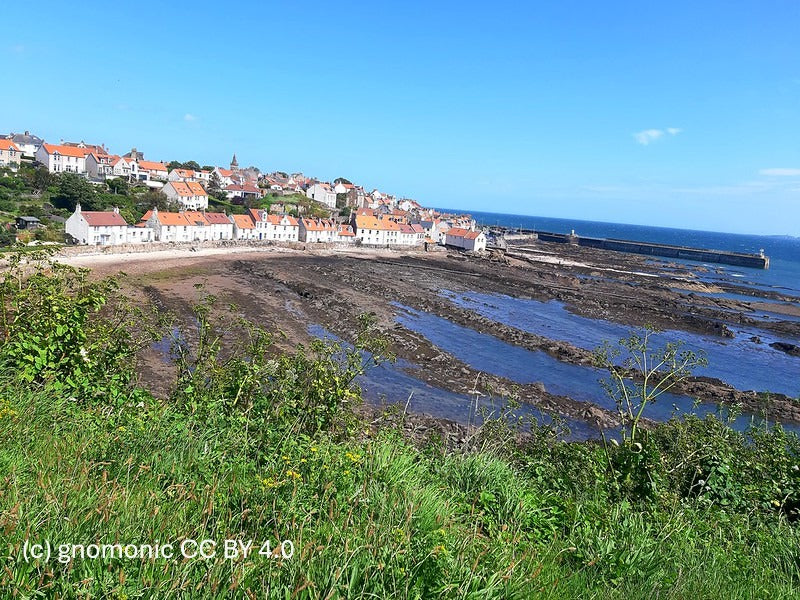
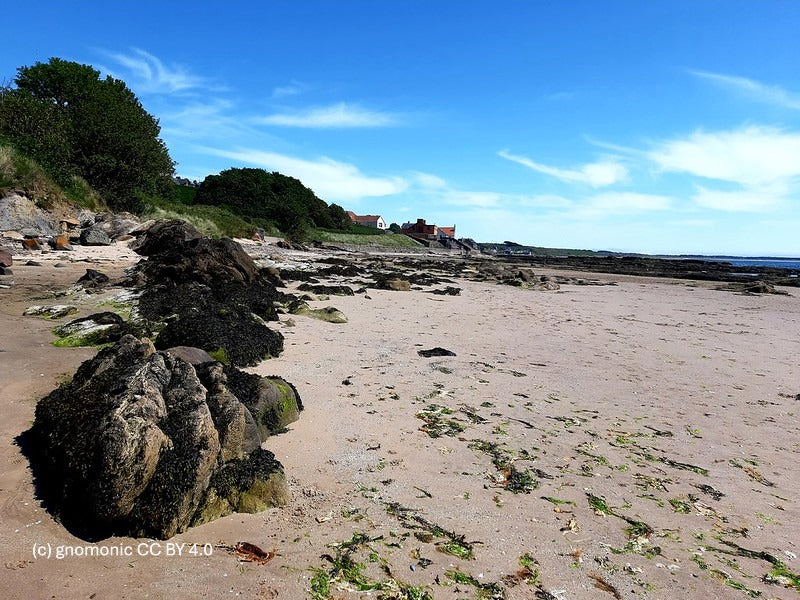
You leave Coaltown for East Wemyss, where caves above the rocks hold Pictish carvings 1,500 years old beneath 14th-century Macduff's Castle. You walk an old railway trackbed through Buckhaven and Methil to the dunes at Lower Largo — Alexander Selkirk's 1676 birthplace, the castaway who inspired Robinson Crusoe. After Elie you're into the East Neuk proper: 15th-century Newark Castle, St Monans' 14th-century kirk and salt pans, Pittenweem's harbour, Anstruther's Scottish Fisheries Museum. You pass Caiplie Caves, walk through Crail's old Royal Burgh, and reach Fife Ness — the easternmost point — before turning for Kingsbarns.

Toward the Tay
Kingsbarns to Newport on Tay

Toward the Tay

St Andrews' cathedral ruins, the 18th green of the Old Course, and the long pine corridor of Tentsmuir Forest before the Tay opens out.

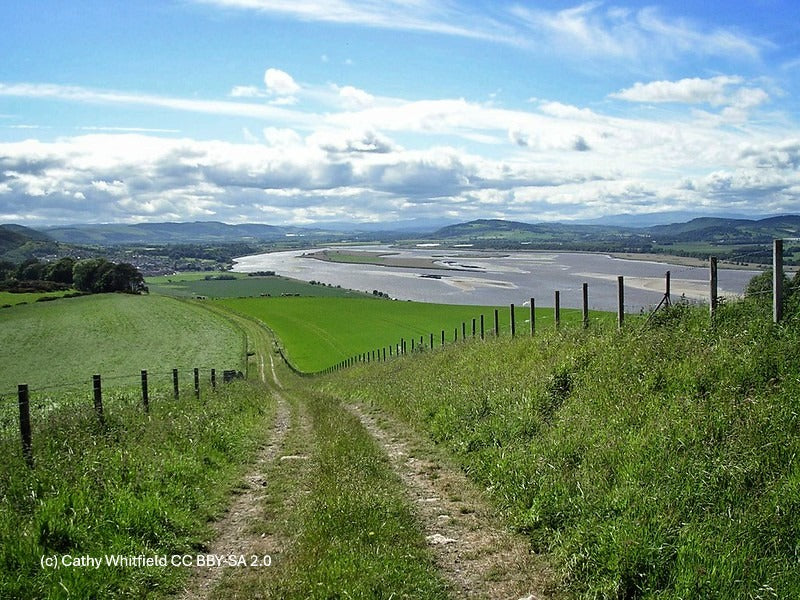
From Kingsbarns the going turns rougher — Buddo Rock's sandstone arch and the Rock and Spindle's basalt columns — then golf courses one after another into St Andrews. You enter past the 12th-century cathedral ruins and clifftop castle, and leave along the 18th green of the Old Course. On the final day you cross the Eden Estuary Nature Reserve, pass Earlshall Castle, and push into Tentsmuir Forest: red squirrels, WWII anti-tank blocks left by Polish troops, and the seal colonies of Tentsmuir National Nature Reserve beyond. You finish at Newport on Tay, with Dundee across the water.

— Now Make It Yours —

Find Your Fife Coastal Path

Most people walk it in 5 days. Some want longer to take it all in. Others want the challenge of doing it quicker. Pick the trip that suits you — or customise yours below.

ABTOT 5690 · Financially protected Guidebook authors on every trail 72-hour confirmation or no charge Refund promise if we can't deliver
Your personalised Trail Book — trip overview, day by day itinerary and accommodation details

Included with every trip

Your personalised
Trail Book

Everything you need for every day of your trail — built around your exact itinerary. Your route, your accommodation, your packing list. Ready before you leave, works offline when you're out there.

Tonight's accommodation

Check-in time, room type, phone number and directions — all in one place

Day-by-day trail description

Route map, elevation profile and written description for each stage

Packing list and pre-trip checklist

Everything you need, nothing you don't. Tick items off as you go

Works offline

Open it once with data and it's yours — no signal needed on the trail

Included with every trip

Your route on every device you use

Your custom GPX file is built around your exact itinerary — day by day, door to door. Load it onto any device or app before you set off and navigate with confidence.

Works with

GPX route on Komoot iPhone app and Garmin watch
Craig, Trail Specialist at Big Trail Adventures
Talk to a Specialist

Knows the trail. Plans yours.

Craig Trail Specialist
The Fife Coastal Path is what I usually point people to when they've done Hadrian's Wall or the Coast to Coast and want something quieter. Walk it slow — five or six days, not three. The East Neuk is the part that earns the trip.

Craig has spent over ten years in adventure travel — most of it talking walkers through trails like this one. He's helped plan dozens of Fife Coastal Path holidays, knows where people typically misjudge the 30-kilometre final stage to Newport on Tay, and has the calls in his pocket from walkers who finished the week before.

Ask Craig about the Fife Coastal Path

If you want to talk through your timing, your fitness, your pace, or anything the planner can't answer — call. Most of our customers do, and Craig's the one who'll answer.

The Practical Side

Before You Book

The things walkers ask us most often — answered plainly, so you don't have to ring to find out.

How fit do I need to be?

You'll want to be comfortable walking around 27 km a day with a daypack on coastal terrain — mostly low cliffs, beaches, and old railway trackbed, with the occasional climb. The hardest stretches are the cliff section between Crail and Kingsbarns and the 30-kilometre final stage from St Andrews to Newport on Tay, which earns its day. If 27 km feels steep, the Explorer pace stretches the trail to six days at around 23 km a day.

When should I walk it?

May to August is the trail's best window. Late May and June balance long days, dry paths, and seabirds working the cliffs. August is the busiest month around St Andrews and the East Neuk villages — accommodation books up early. September and early October bring autumn light and quieter trails but shorter days. November to March we don't recommend: the cliff sections grow boggy, the wind off the North Sea cuts hard on exposed stretches, and many of the smaller B&Bs in the East Neuk close for the season.

Do you include luggage transfer?

Yes — your bag is moved between accommodations every walking day, up to 20 kg per bag. You walk with a daypack carrying the day's essentials. The Fife coast is well-served by road, so transfers run smoothly — even on the long final stage to Newport on Tay, where the walking route stays close to the coast and the driver takes a quicker inland line.

What kind of accommodation do you book?

Family-run inns and B&Bs, with the occasional small guesthouse or country hotel — never chains. Every stay is en-suite, with breakfast included and drying space for wet boots. On the Fife Coastal Path that means places like the Crusoe Hotel at Lower Largo, the Ship Inn at Elie, and harbour-side guesthouses in Anstruther and Crail. Some East Neuk villages have only a couple of options — when those fill, we look slightly off-route, but always with onward transport sorted.

Can I walk it solo?

Yes — the Fife Coastal Path is one of Scotland's more solo-friendly long-distance trails. The route is well waymarked, the villages are close together along most of the coast, and you'll meet other walkers and locals through the East Neuk and around St Andrews. We book single-occupancy rooms (with a single supplement for the smaller B&Bs that don't have singles). The longest gaps between settlements are on the cliff sections beyond Crail and inside Tentsmuir Forest — neither remote enough to worry about, but worth checking the forecast for.

What's the realistic total cost?

Our Classic package starts at £609 per person for the five-day Hiker pace, based on two people sharing. That covers accommodation, breakfast every morning, baggage transfer, a route pack with maps and notes, and 24-hour support. On the trail, budget around £25–35 a day per person for lunches, drinks, and an evening meal — the East Neuk's harbours are well stocked with cafés and pubs, and the Anstruther Fish Bar is worth a stop on principle.

Still not sure? Ring us on 0131 560 2740 — Craig usually answers.

Still Thinking?

Speak to Craig

If you've scrolled this far, we need to help you get onto this trail. The bit the planner can't help with — "is the pace right for me?", "is August really that busy?", "can we add a rest day in Keswick?" — that's a two-minute phone call. Most people who book the Fife Coastal Path ring first.