
Notes from our trail journal
Advice From Other Hikers: The West Highland Way
We asked our Facebook community of West Highland Way finishers one question: what single piece of advice would you give somebody setting off tomorrow?
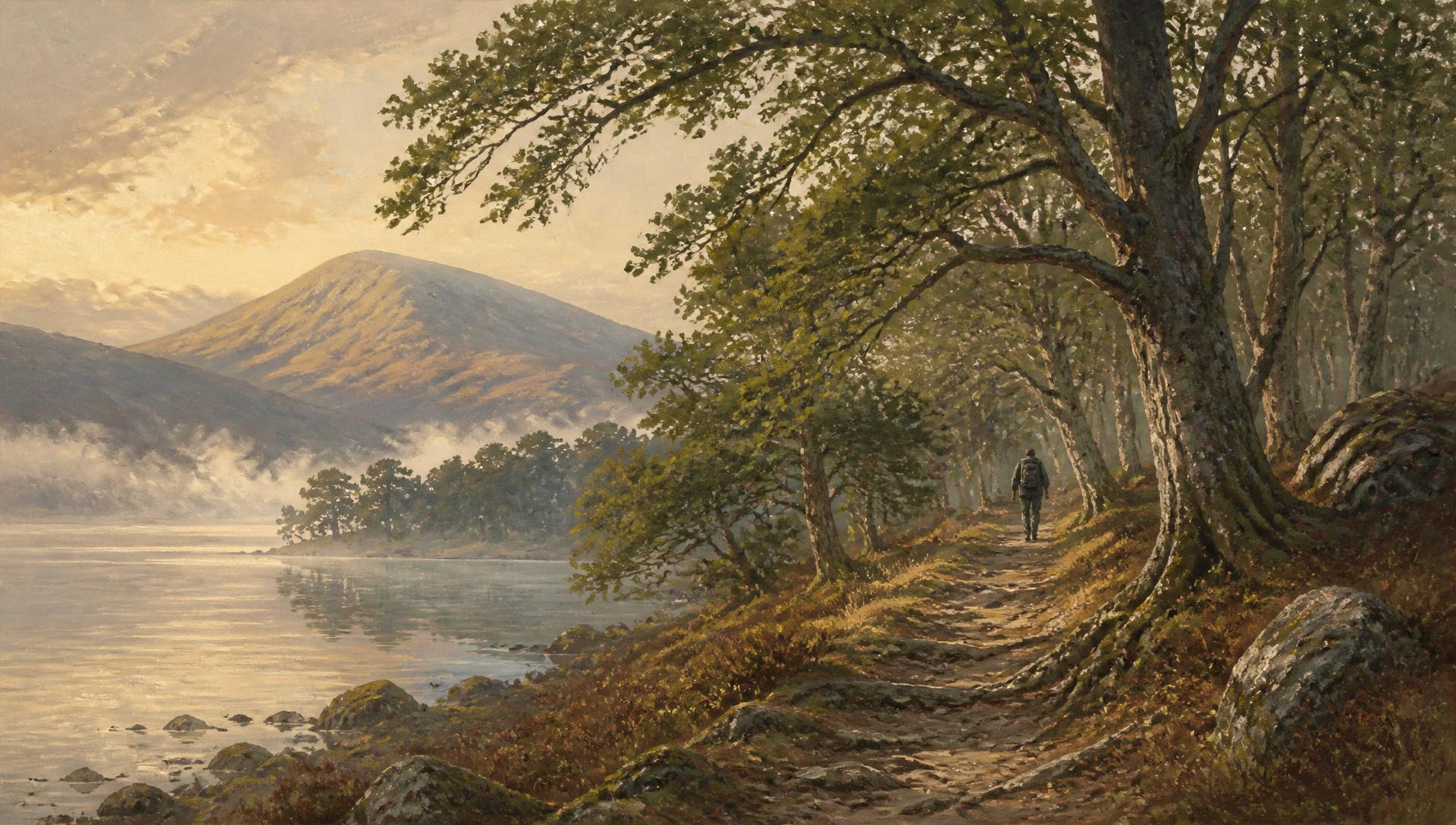
We asked our Facebook community of West Highland Way finishers one question: what single piece of advice would you give somebody setting off tomorrow?
The answers surprised us. Almost nobody mentioned waterproofs or navigation. What came back instead was advice about pace, feet, and B&B staircases — the things you only learn by walking the thing. Here it is, grouped loosely by theme, in the walkers' own words wherever we could keep them.
It's not a race
The most repeated advice, by some distance, had nothing to do with kit.
"Take your time. One day at a time. Take it all in."
"It's not a race. Enjoy your day. Stop and rest when you're tired."
One walker suggested making it a habit: "Every mile or so stop and take a deep breath and really look around at your surroundings. So easy to plug along with head down and miss the beauty around you."
Several people made a related point about looking back as you walk, not just ahead. On a route that only runs one way, the view over your shoulder is one you won't pass again unless you turn round for it.
Look after your feet
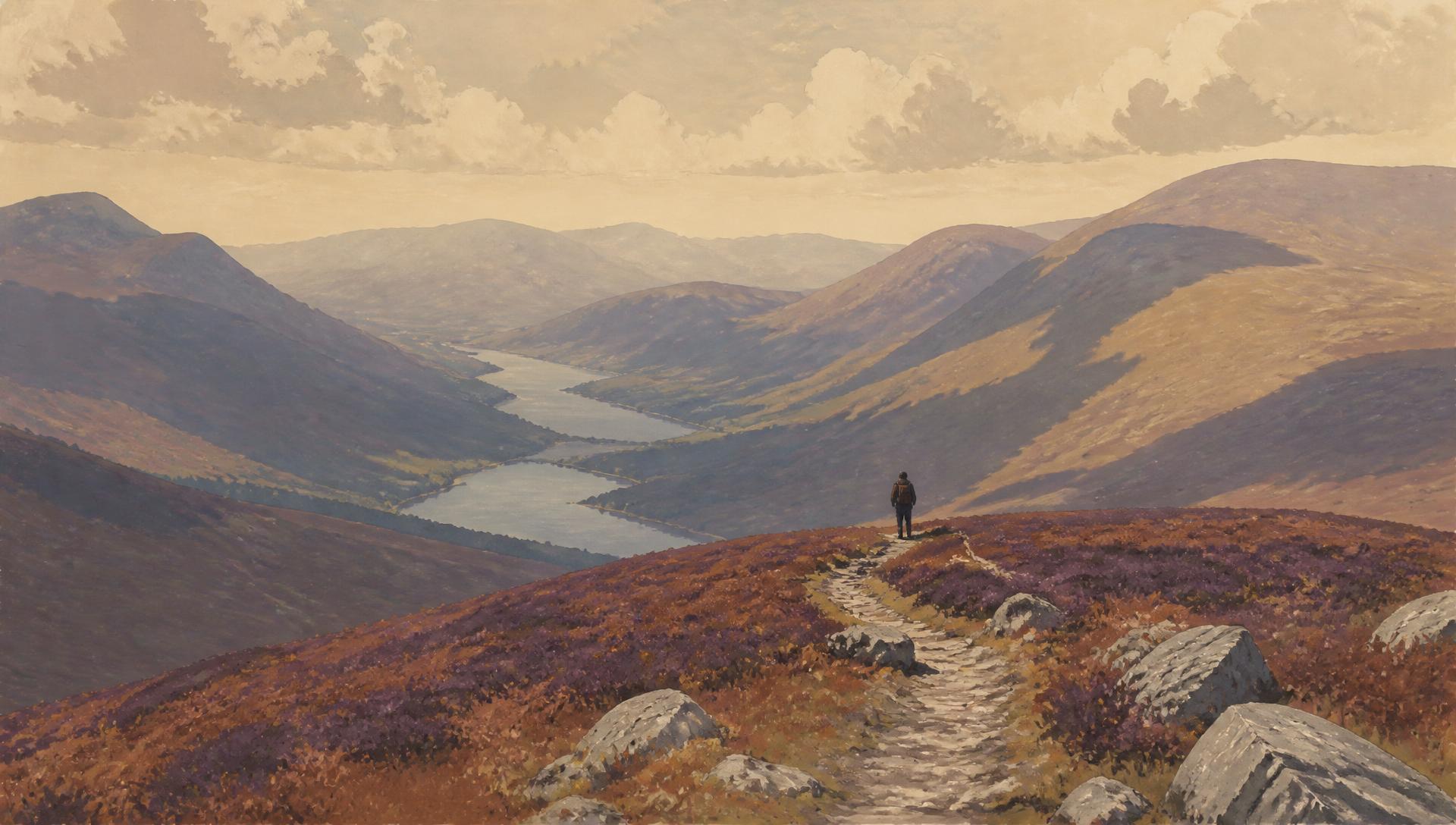
Feet came up more than anything else. The consensus: "Good socks and good trainers = zero blisters." If you're going to spend money anywhere, spend it on socks. A few walkers also swore by a small tub of Sudocrem or Vaseline, worked into feet and other friction points before setting off each morning, rather than after the damage is done.
On what to do when a blister arrives anyway, the community splits. One walker's routine is to burst it, clean away the dead skin and apply Compeed properly — done right, they say, it holds for a few days between showers. For others, bursting a blister was out of the question. We'll leave that one with you.
Carry less
"You don't need nowhere near as much gear as you think. As a non-camper, I didn't need a sleeping bag, for example."
We'd back that up. If you're sleeping indoors every night, spare layers and an emergency bivvy cover the what-ifs at a fraction of the weight.
One hiker used a baggage transfer service and still found themselves hauling a heavy suitcase up and down "waaaay too many staircases" in B&Bs and hotels along the route. Transfer moves your bag between towns; the staircases at either end are yours alone. Pack light even when someone else is doing the carrying.
The stretches that catch people out
Some of the advice was very specific, and the sort you only get from someone who's been through it.
The section from Inversnaid to Inverarnan and on towards Crianlarich is long and draining if you take it in one go. Several walkers recommended breaking it with a night at Inverarnan or Beinglas Farm rather than pushing straight through.
Related: the stretch along Loch Lomond is tougher and slower than it looks on the map. The elevation profile is nearly level, which tempts people into treating it as an easy leg. Underfoot it's anything but. Plan your day accordingly.
A smaller tip, but a good one: there's a takeaway at Cailness Cottage, between Rowardennan and Inversnaid. Worth knowing if food or morale is running low.
And for the final day, one finisher's plan is hard to improve on: set off early from Kinlochleven, stop at the café at the foot of Ben Nevis in the early afternoon, then walk the last leg into Fort William in good time for a pint. The trail officially finishes outside a Wetherspoons. There are other pubs.
When to go
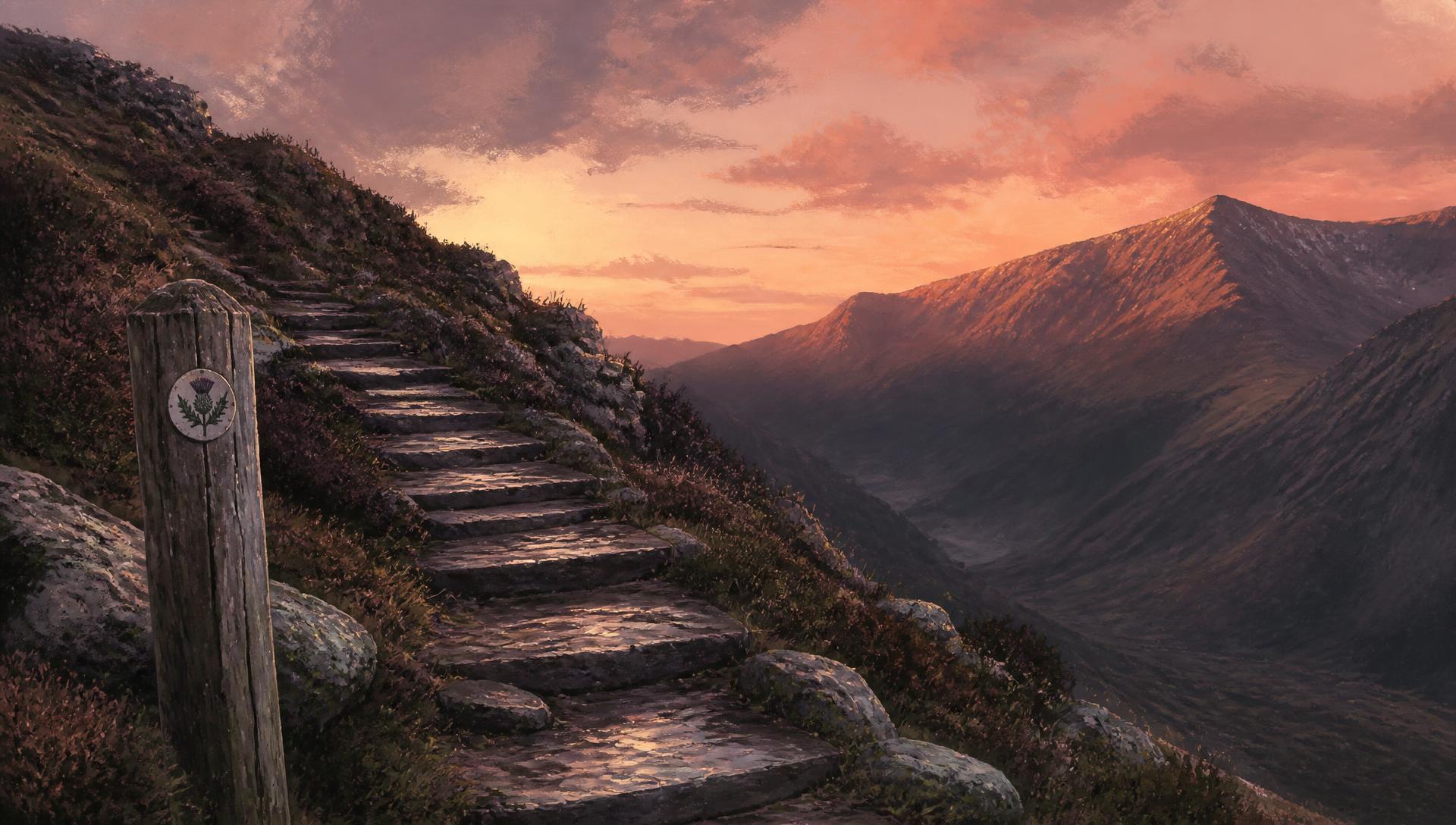
On timing, two schools of thought — and both are really about midges.
"Wait until September so that the midgies are gone."
The other camp favours the first week of May: what one walker called Scotland's summer, arriving before the midges and the clegs do.
Small comforts
"A hot shower and good meal after each day sets you up well for the next leg."
More than one person said a version of this. After eight hours outside, a shower and a proper dinner do more for the next day's walking than any piece of kit — and both feel better than they ever do at home.
Not all the advice was practical. Some of it was about what the walk leaves behind.
"When I finished it, I had an overwhelming urge to keep going. Didn't want it to stop. So yes, major anticlimax at Fort William, but great memories."
WHW changed my life.
Advice collected from our Facebook community of West Highland Way finishers.
Also from the trail journal.
The Smell Is Not a Problem
Beth Langley has fastpacked the Tour du Mont Blanc twice. The second time she had company, better legs and one t-shirt fewer.
The Shore Looked Easier
Kit Birks walked 5,000 miles from the top of Norway to Greece. The day that nearly ended it began with a shortcut.
The Long Way Home
Elsey Davis ran the whole edge of Cornwall and back to Land's End in six days. The record was never really the point.