Landscape from Spain

Walking · Spain

Stone paths across
sun-baked
sierras and coast.

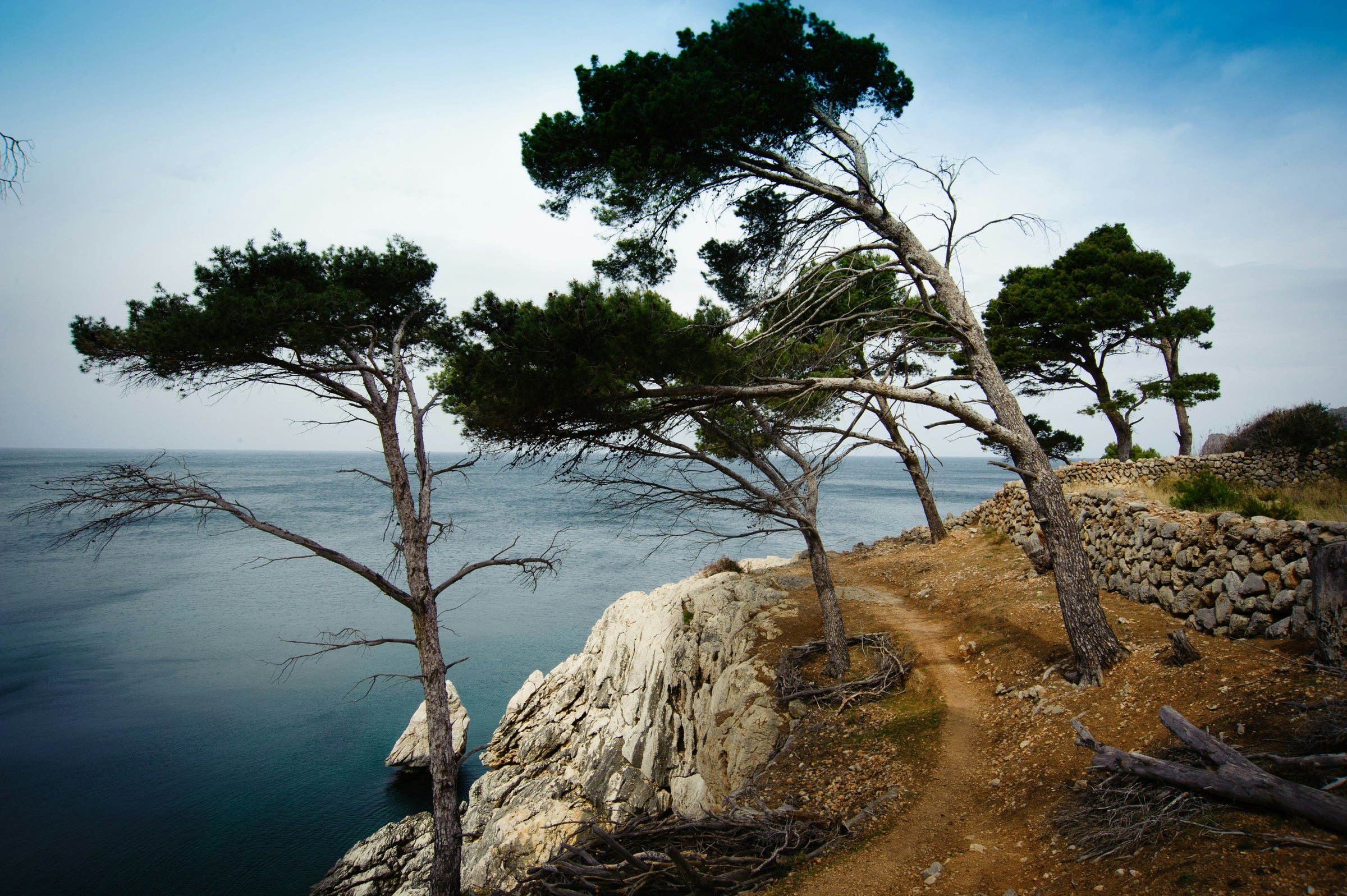
Spain's walking heritage runs from the Camino de Santiago to the ancient shepherd routes of the Sierras. Nowhere finer than the GR221 — the Dry Stone Route — traversing the length of the Serra de Tramuntana above the Mediterranean.

Why walk here

Mule paths, mountain
refuges, and a coastline
that never leaves you.

Spain is one of Europe's great walking countries. A vast GR network laced across the mainland, the pilgrim routes of the Camino, and — offshore in the Balearics — a UNESCO-listed mountain range with a footpath that runs its full length.

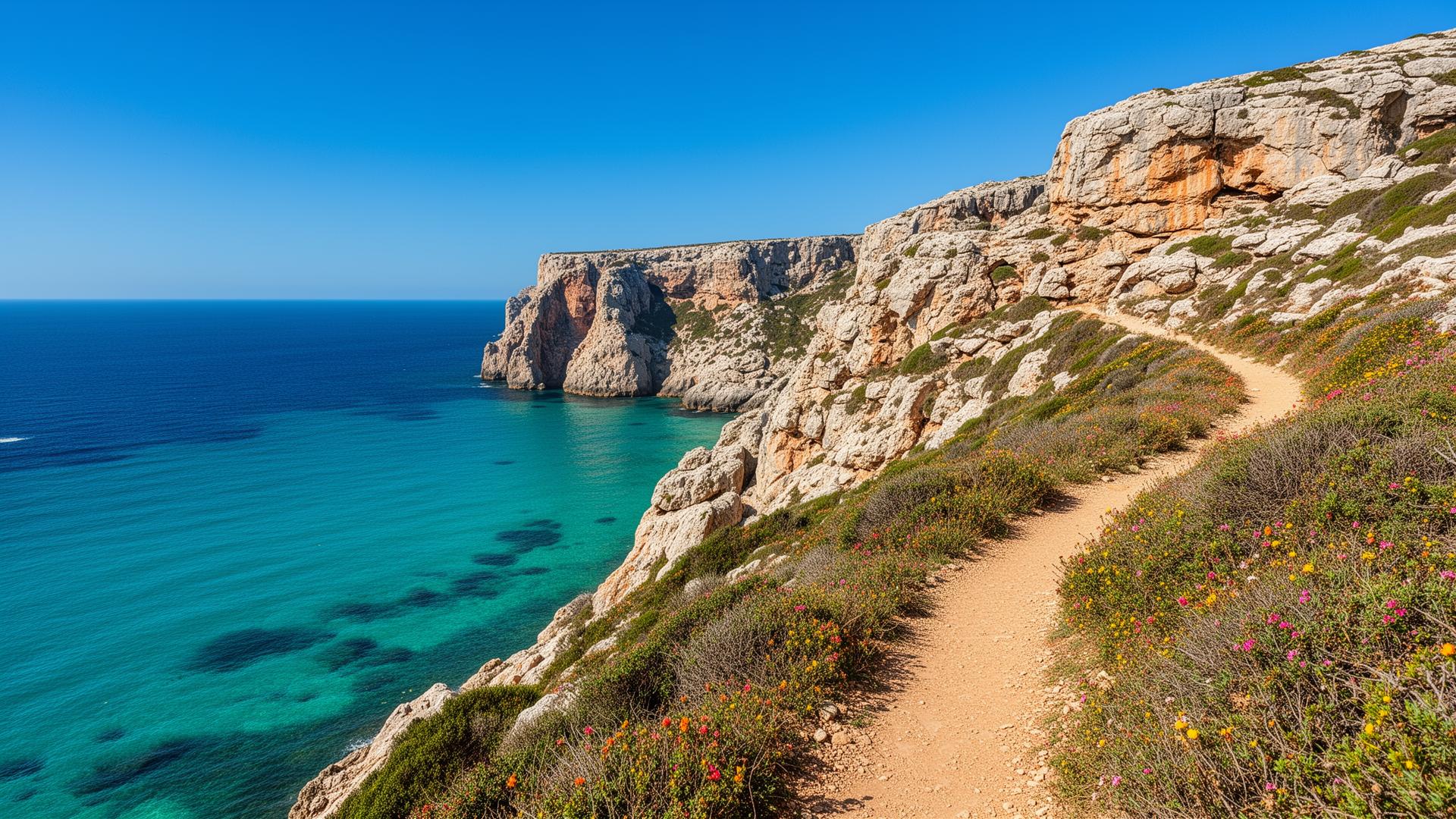
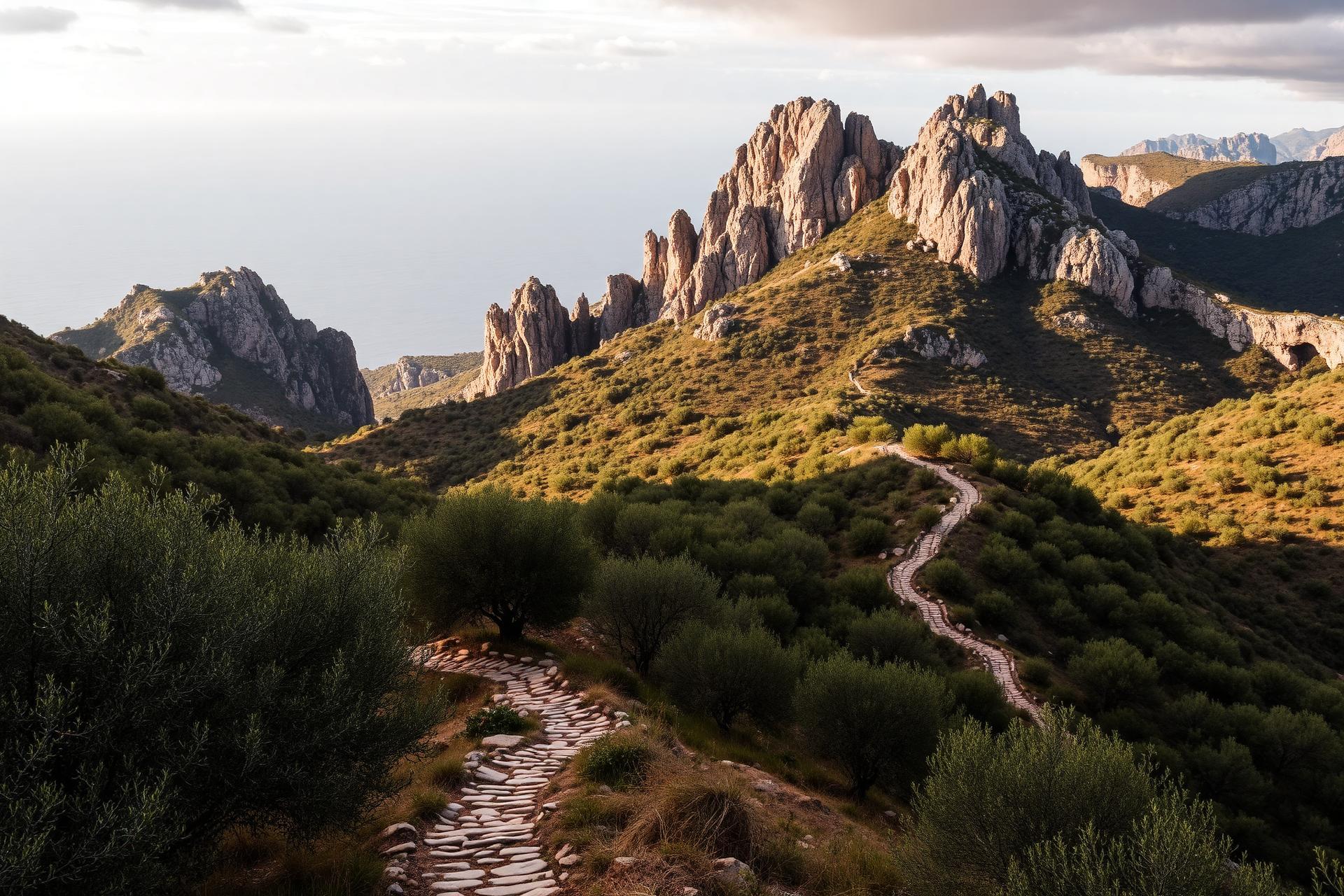
The GR221 is that footpath. One hundred and thirty eight kilometres from Port d'Andratx on the south-west corner of Mallorca to Port de Pollença in the north-east, following stone-flagged mule paths (camins de pedra en sec) built over centuries by farmers, charcoal-burners, and snow-collectors.

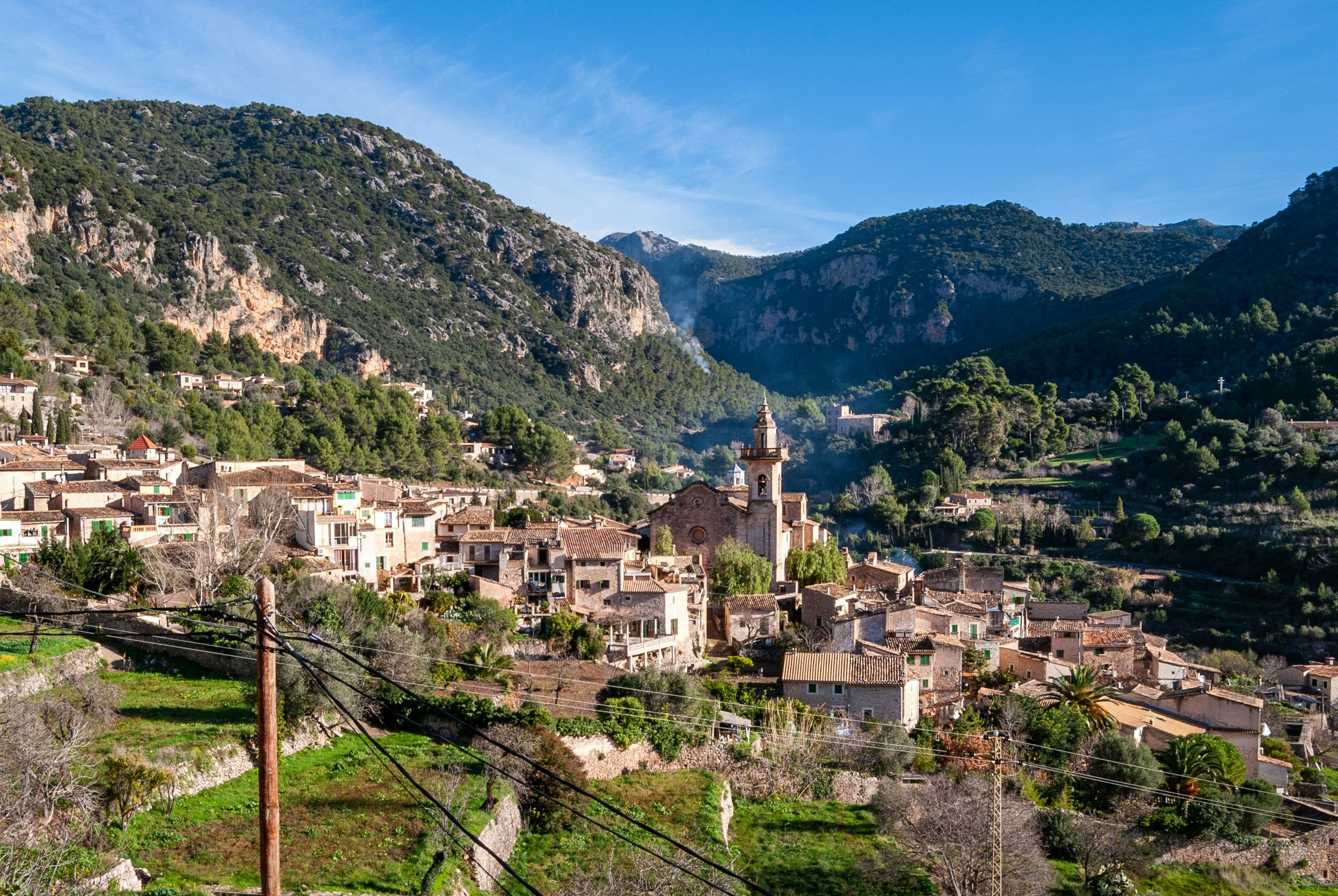
You cross terraced olive groves, sleep in restored monasteries and mountain refugis, drink Mallorcan wine at long refuge tables, and drop into stone villages — Estellencs, Valldemossa, Deià, Sóller, Lluc — that have looked much the same for four hundred years. The Mediterranean is your horizon for the whole walk.

The trail on one map

The length of the
Serra de Tramuntana.

LiveComing 2026

Lines follow each trail's waypoints — live trail pages draw the full GPX route. Tap a line to see the trail.

Reasons to linger

When the walking
stops for the day.

Eat

Mallorcan mountain cooking

Pa amb oli — bread rubbed with tomato and drizzled with island olive oil — at every refuge lunch. Tumbet, sobrassada, arròs brut. Slow-cooked lamb in the villages above Sóller. The refugis serve a set menú del dia at long shared tables — you eat what the mountains grew.

Drink

Wine from the terraces below

Mallorcan wine is having a quiet renaissance — Manto Negro reds from Binissalem, crisp whites from the small bodegas around Santa Maria. Fresh-squeezed orange juice from the Sóller valley in the morning. A hierbas — the island's herbal liqueur — after dinner.

Sleep

Refugis and stone villages

We book the network of restored mountain refugis — Can Boi, Muleta, Tossals Verds, Son Amer — plus small family-run hotels in the villages when a proper bed and shower are needed. All walker-friendly, all with early breakfasts.

Read

Books to walk with

Paddy Dillon's The GR221 (Cicerone) is the working guide. Robert Graves's Deià — where he lived for fifty years — reads differently once you've walked into the village on foot. Take a translation of Ramon Llull for the medieval Mallorcan mindset.

From the journal

Notes from Spain.

Read the full journal →