Advice from the trail
Advice From Other Hikers: The Tour du Mont Blanc
Tour du Mont Blanc finishers on the climbing that kilometres conceal, the kit you can leave behind, refuge money and why a cable car is not cheating.
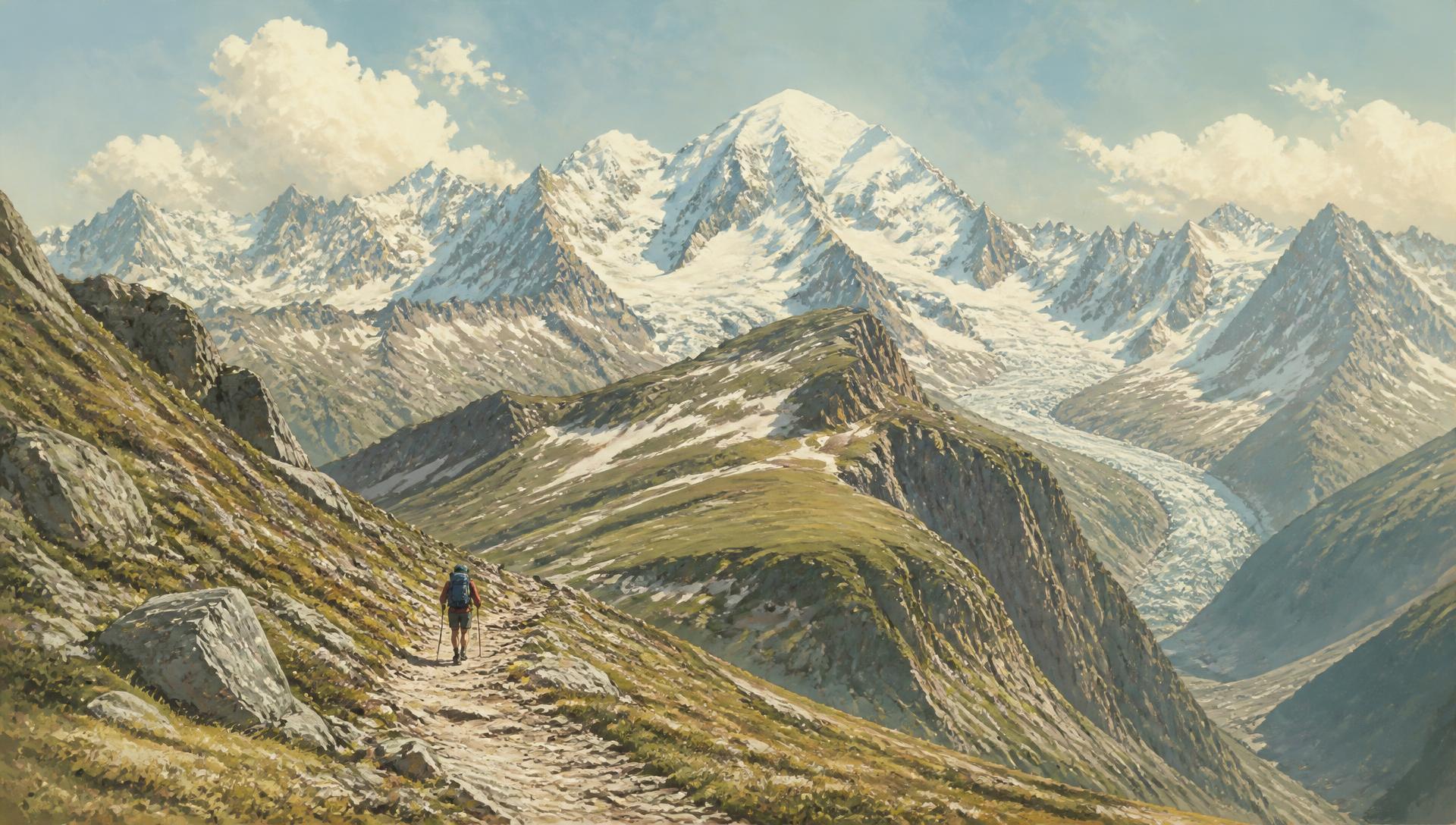
We asked our Facebook community of Tour du Mont Blanc finishers one question: what single piece of advice would you give somebody setting off tomorrow?
The TMB draws a slightly different set of answers to our UK trails: more refuge nights, more altitude and, as it turns out, more thought about which euro notes you are carrying. Again and again, the advice came back to expectations — and what the distance on the map leaves out.
Kilometres lie. Vertical metres don’t.
"Distance is not a measure of effort. It’s the ascents and descents that count, plus the type of trail — rocky, smooth, or just simply bad. Lower your expectations about your fitness and the time required to cover the distance."
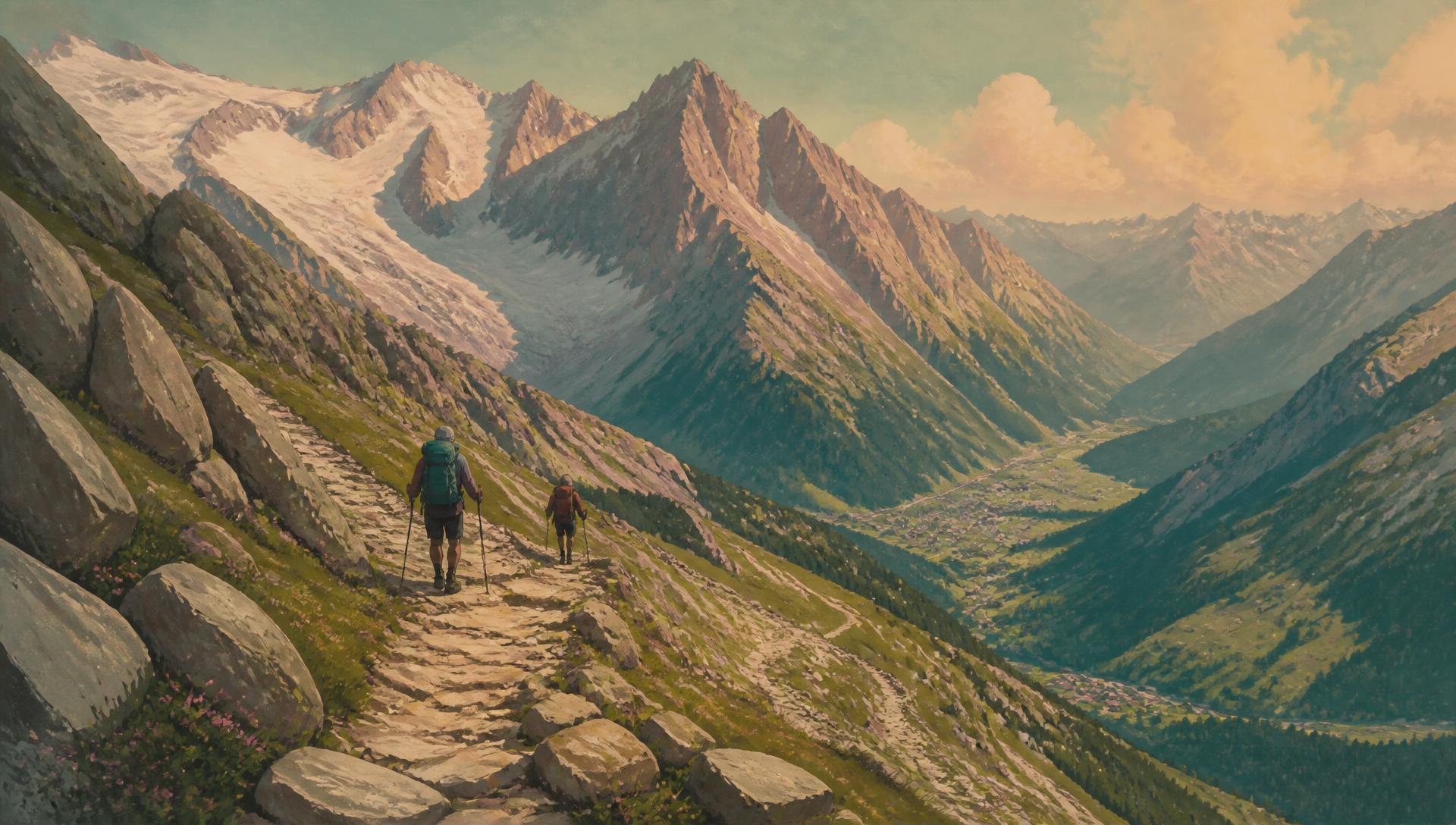
This may be the advice that separates first-timers from everyone else. One finisher’s rule of thumb was that a 12–14km day is about right. Your own fitness and experience matter, but every kilometre here arrives with a gradient, a surface and a cumulative cost.
Downhill training gets missed by plenty of people preparing for the TMB, too. It shouldn’t. The descents are often harder on the body than the climbs that come before them, and tired legs still have to do it all again tomorrow.
Slow is a feature, not a bug
"Don’t hurry. Go slow because it’s hard and to take in everything around you."
One finisher extended that thought into trail etiquette: if you are quick, give slower walkers room rather than barrelling past. If you need to pass, use your words. The TMB is busy in places, but it never needs to become a race.
What’s actually worth packing
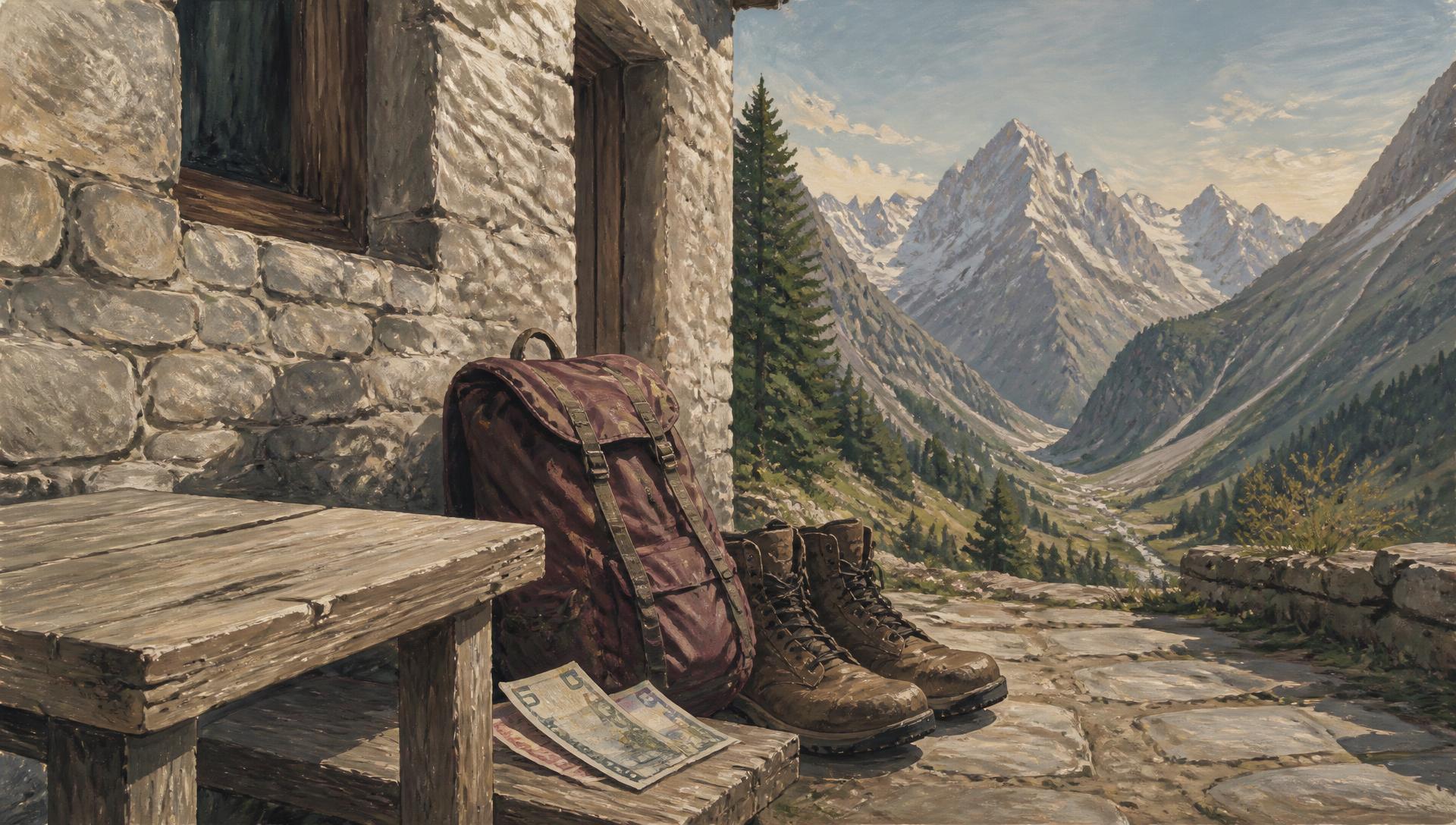
"Pack half the amount of clothes you think you need. You don’t need the most expensive gear — invest in footwear and the backpack."
There was an oddly consistent verdict on books and board games: leave them at home. After a full day over the cols, you are unlikely to use them. Refuges provide blankets, so a sleeping bag is generally unnecessary, but bring a liner — those blankets are not washed between every guest.
Bring money you can actually spend
"I had euros in 100s and 50s. The refuges and towns rarely accepted them — you need 20s, 10s, and 5s."
Sort that before you travel, rather than after a two-hour walk to the nearest cash machine. On logistics more broadly, check how far your accommodation really is from both the trail and the nearest bus stop. A place described as nearby can feel rather different at the end of a mountain day.
Buses and cable cars aren’t cheating
"Utilise the bus, shuttles and cable cars where available. Unless you are a purist, which I certainly am not. I am on holidays!"
A refreshingly sensible position, and one we would back. If the terrain, weather or your energy is calling for it, the transport exists for a reason. This is your trip, not somebody else’s test.
Things worth writing down
Dinner at La Maison de Filippo in Entrèves, and a full day off in Courmayeur rather than simply passing through: two very specific and popular suggestions from the group.
Keep your phone or camera somewhere you can reach it, too. Clip the camera to your pack or put the phone in an accessible pocket. The moment worth photographing rarely waits while you excavate the bottom of your bag.
Miles were not important. The physically tough part was the incline and descent.
Advice collected from our Facebook community of Tour du Mont Blanc finishers.
Also from the trail journal.
The Smell Is Not a Problem
Beth Langley has fastpacked the Tour du Mont Blanc twice. The second time she had company, better legs and one t-shirt fewer.
The Shore Looked Easier
Kit Birks walked 5,000 miles from the top of Norway to Greece. The day that nearly ended it began with a shortcut.
The Long Way Home
Elsey Davis ran the whole edge of Cornwall and back to Land's End in six days. The record was never really the point.